
The Removal of the Photos, Fidel Worship Retreats in Cuba
Lacking a sense of humor, vengeful towards anyone who dared to defy him, the figure of Fidel Castro is experiencing its lowest point in popular opinion.
HAVANA TIMES – Her photo with Fidel Castro hung in the living room for decades, and Rita proudly displayed it. But some years ago, the frame was used to display a portrait of her newborn granddaughter, and the snapshot, already faded by time, ended up in a drawer. A retired engineer and enduring more than ten hours of daily power outages, this 80-year-old Cuban woman now feels a mixture of shame and annoyance every time she comes across that image where a man, dressed in a military uniform, is placing a medal on her.
In the year of Fidel’s centennial, Cuban authorities are doing everything possible to resurrect a legacy that popular will insists on burying. The man who ruled the destiny of millions of people on this island has become synonymous with everything that should be avoided in the future. Hatred of those who are different, revolutionary bravado, and contempt for dissent were not only his personal hallmark but also the imprint that shaped Cuba’s domestic policy and international diplomacy for more than half a century.
Lacking a sense of humor, incapable of showing even the slightest bit of grace, vengeful towards anyone who dared to defy him, not given to personal affection, and prone to tantrums when he didn’t get what he wanted, the figure of Fidel Castro is experiencing its lowest point in people’s mindset.
Despite the display of photos of his face in government offices and the calls to celebrate the centennial of his birth, the man born in Birán, Holguin in 1926 has been more than buried by most Cubans, who avoid even mentioning his name, as if it were a spell that could bring him back to life.
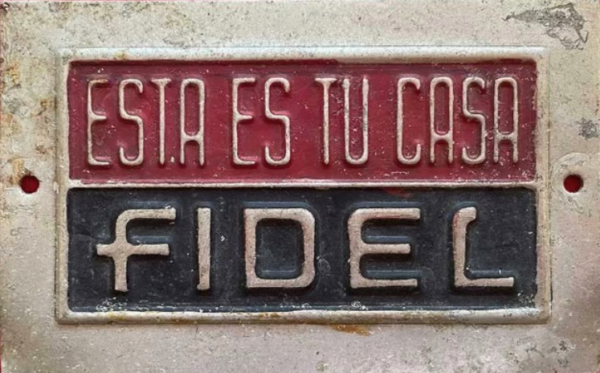
Few family homes still display any of his photos, the “This is your home, Fidel” posters only remain in the memories of a few, and those diplomas bearing his signature have been put away, out of sight. Grandparents avoid talking about him, exiles swear they never supported him, and even those named after him claim that their parents actually named them in honor of an uncle who died very young. No one wants that bearded shadow cast over their lives.
A century later, Cubans are trying to completely bury the man who tried to leave his mark on every second and every millimeter of national life. He has become so irrelevant that he doesn’t even appear in curses anymore.
First published in Spanish by 14ymedio and translated and posted in English by Havana Times.