
Camila Cabello Speaks Out for Cuba
and denounces the crisis on the island
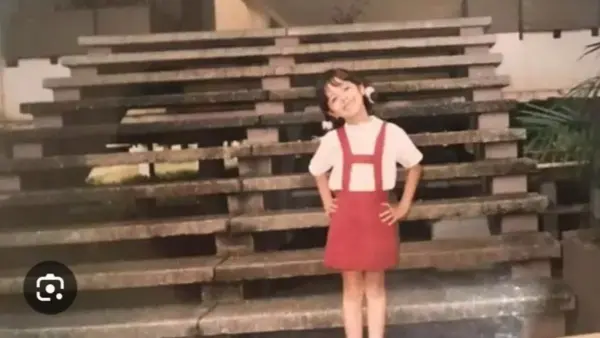
Unlike other artists of Cuban origin who have avoided explicit political positions, the singer/composer chose a direct tone against the dictatorship.
HAVANA TIMES — Cuban American singer and songwriter Camila Cabello has directed her followers’ attention to the situation on the Island after posting an unusually direct message on her social media criticizing the Cuban regime. In a text marked by a personal tone, the artist denounced the severity of the crisis and said she remains in constant contact with her relatives who still live in the country.
“I also feel a responsibility to speak about what is happening in Cuba. I still have family on the Island whom we talk to and to whom we send medicine, food, and clothing,” wrote the performer, who was born in Havana in 1997. Her words come at a time of growing economic and social deterioration in the country, marked by prolonged blackouts, food shortages, and an increase in emigration.
In her post, Cabello described in stark terms the situation that, she says, her loved ones convey to her. “It has been 67 years of a failed dictatorship and an oppressive regime. The Cuban people are suffering in an echo chamber where no one can hear them because speaking out means risking your life,” she said.
The artist also denounced the material hardship faced by citizens. “Many people are dying of hunger, searching for food in piles of garbage, and the only way to survive is for relatives to send you boxes of medicine because not even hospitals have medicine,” she added, in a description that aligns with numerous testimonies collected by independent media and humanitarian organizations.
Cabello was born in Cojímar, Havana and spent her early years between Cuba and Mexico. In 2002, at just five years old, she emigrated with her mother to the United States, where they settled in Miami. Her father joined the family months later.
As she has recounted in multiple interviews, her childhood was marked by displacement and adapting to a new language. Music appeared early as a refuge. An admirer of artists such as Celia Cruz and Alejandro Fernandez, she began singing at school and uploading covers online during her teenage years.
Her breakthrough came in 2012, when she participated on the television program The X Factor in the United States. Although she was initially eliminated as a solo contestant, the judges placed her in the female group Fifth Harmony, which would go on to become one of the pop phenomena of the decade.
With the group she achieved notable commercial success, but in 2016 she decided to launch a solo career. The move proved decisive. Her first album, Camila (2018), debuted at number one on the Billboard 200 and established her as a standout figure in Latin-Anglo pop.

Her statement about the situation in Cuba is particularly significant given Cabello’s global profile as one of the most recognized Latin voices in international pop. With 12 million followers on X, 17 million on Facebook, and more than 63 million on Instagram, her message has reached a vast audience.
Unlike other artists of Cuban origin who have avoided explicit political positioning, the singer adopted a direct tone aimed squarely at the Island’s power structure.
Among her best-known songs are Havana, Señorita (with Shawn Mendes), Never Be the Same, and Don’t Go Yet. Havana, in particular, became a global phenomenon with billions of streams and multiple platinum certifications, further reinforcing her artistic identity linked to her Cuban roots.
Throughout her career, Cabello has won American Music Awards, Latin Grammys, and Billboard Music Awards, and has been nominated multiple times for the (Anglo) Grammy Awards. Her subsequent albums, including Romance (2019) and Familia (2022), have maintained a steady presence on international charts.
Despite her success in the industry, the singer has combined her musical profile with occasional positions on social issues, especially immigration and the Latino community. However, her recent message about Cuba stands out for the strength of its language and for placing the focus on the country’s internal crisis.
The performer also referred to the deterioration of basic services. “The power goes out for so long that food spoils and water becomes scarce,” she wrote. She added a denunciation of repression: “When people have protested peacefully, they have disappeared or been jailed, some as young as 13.”
Cabello concluded her appeal by describing the Cuban exodus in dramatic terms: “It’s no wonder so many Cubans have thrown themselves into shark-infested waters… risking their lives for freedom.” She also invited her followers to collaborate with Caritas Cuba: “If you are able to give, any donation makes a difference.”
The impact of her words is amplified by the moment the Island is going through, as the Government continues to deny the existence of a humanitarian crisis while millions of Cubans depend on remittances and external aid to survive. Her message, broadcast to millions of followers, breaks the usual silence of many figures in the entertainment world and once again places Cuba’s situation in the international public conversation.
First published in Spanish by 14ymedio and translated and posted in English by Havana Times.