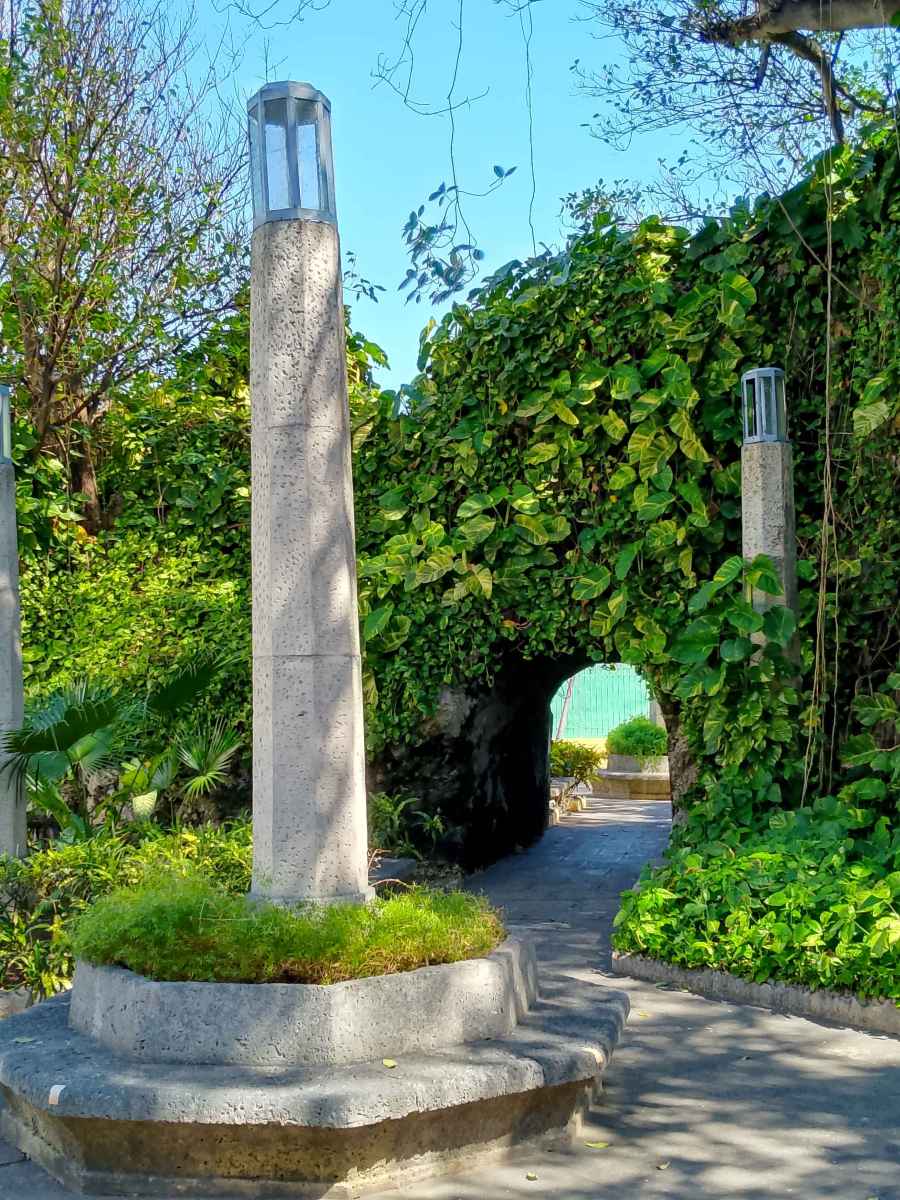
Marti’s Forge, at the former San Lazaro Quarries in Havana
HAVANA TIMES — During the 19th century, under the Spanish colonial regime, the San Lazaro Quarries were where political prisoners served sentences of forced labor. It was to this same site that the very young Jose Marti was sent, with a six-year sentence, because of a letter found in the home of his friend and classmate Fermín Valdes Dominguez, signed by Jose Marti.
That letter was interpreted as a death threat against Carlos de Castro, one of the students who had joined the Volunteer Corps of the Spanish army, whom Marti and Dominguez called a traitor.
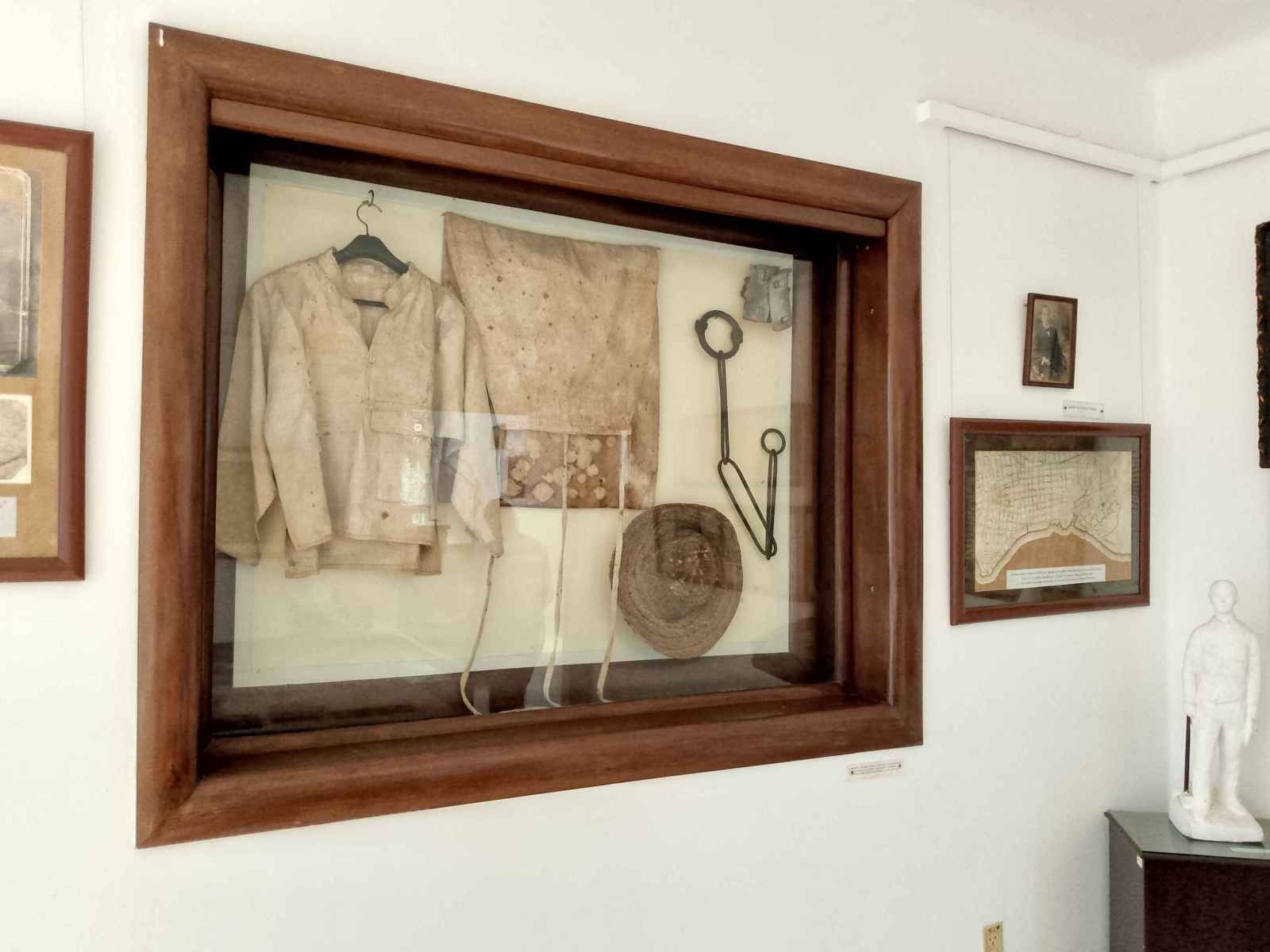
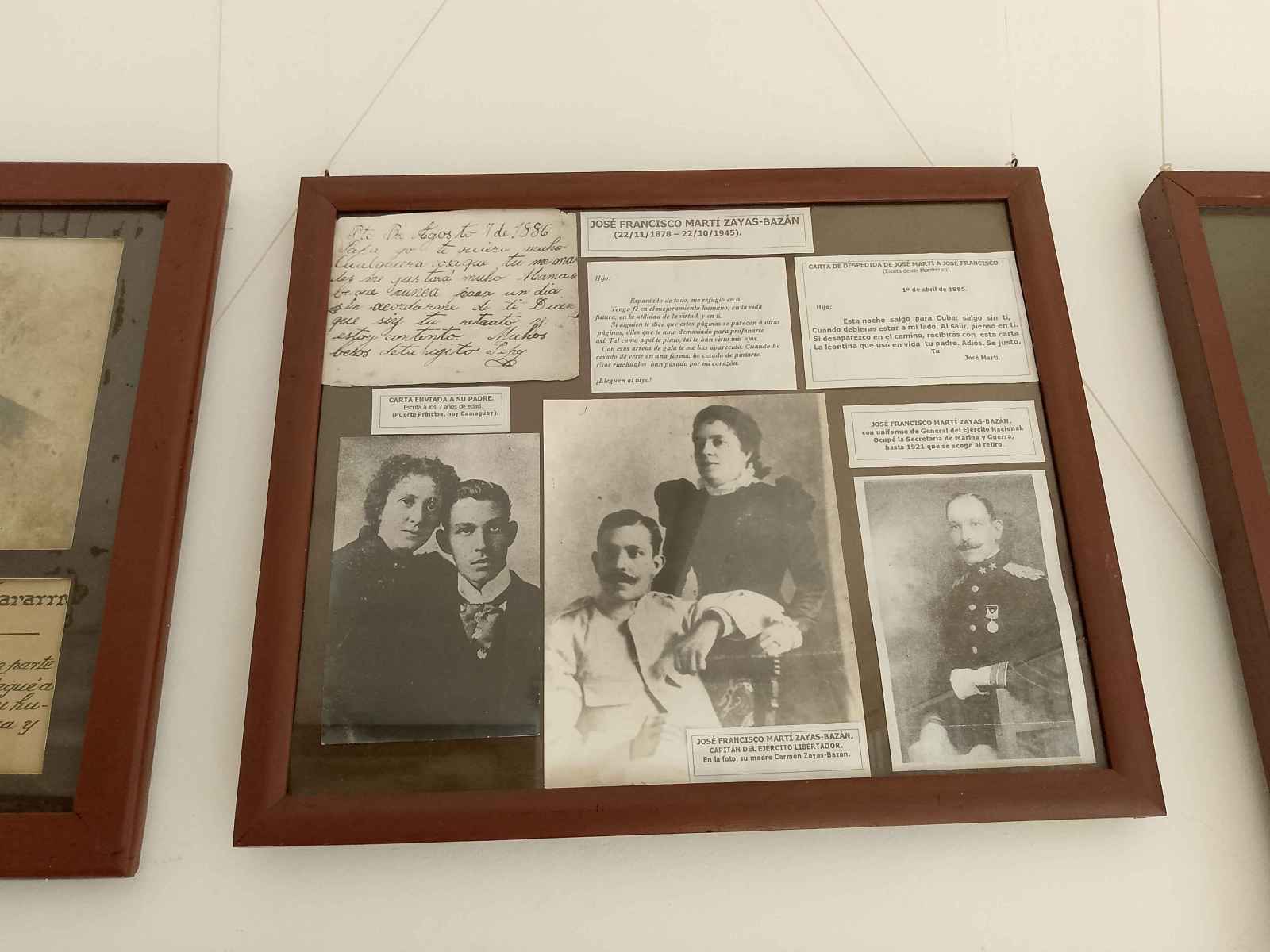
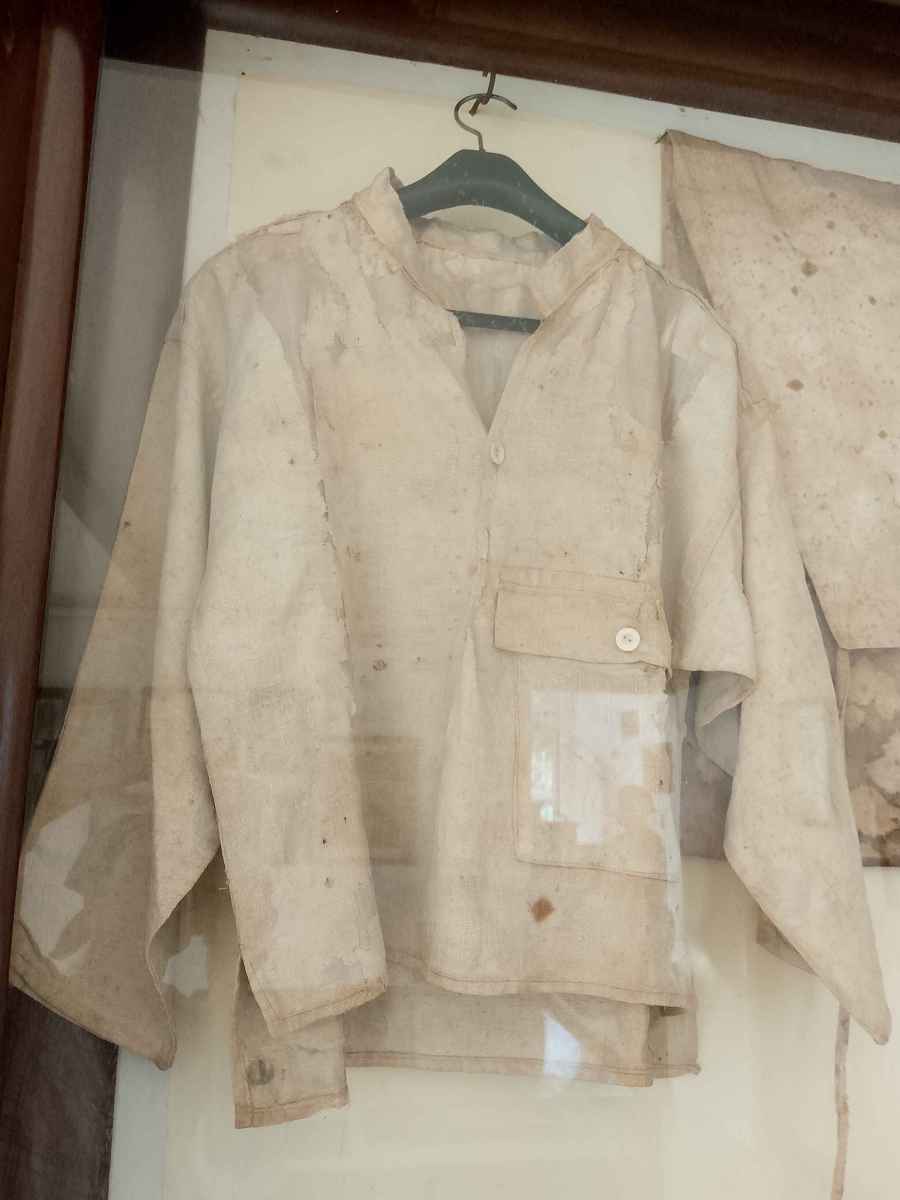
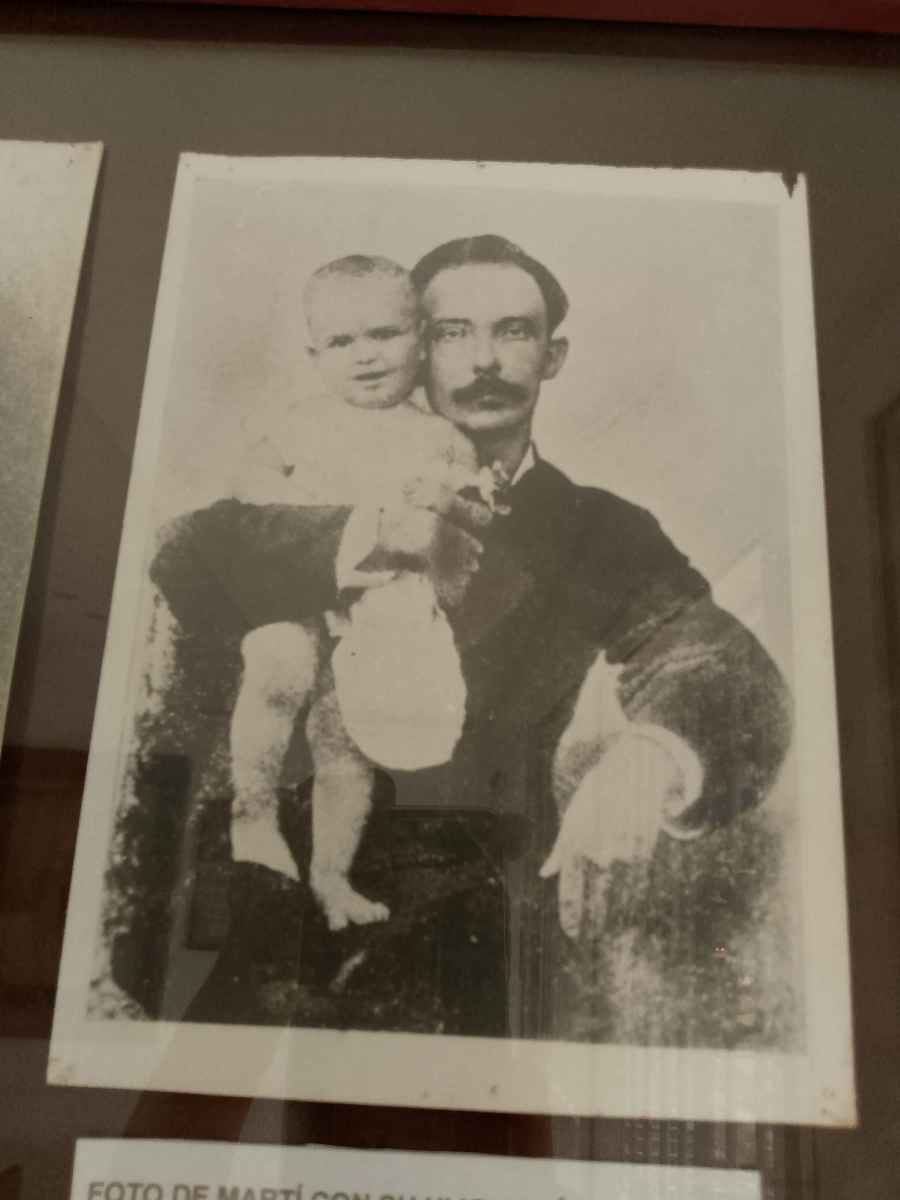
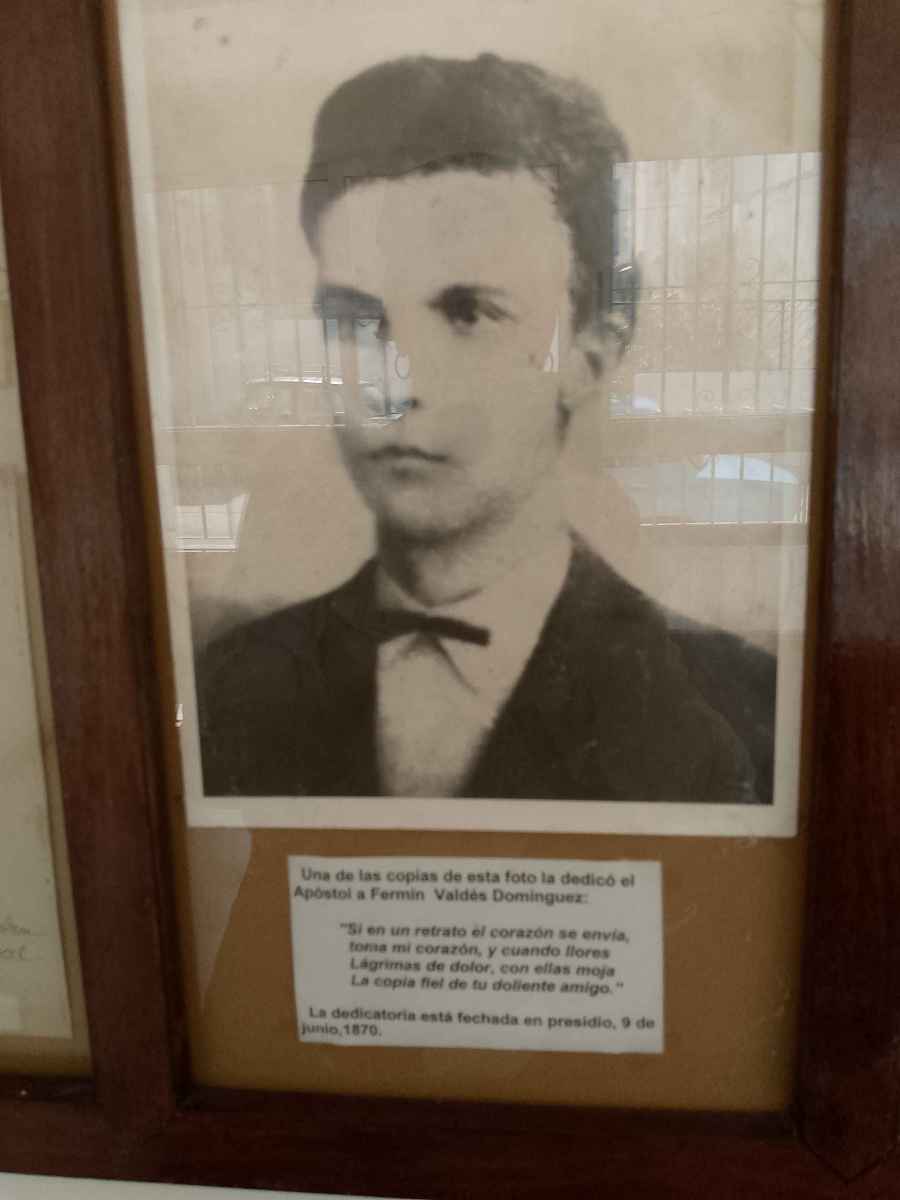
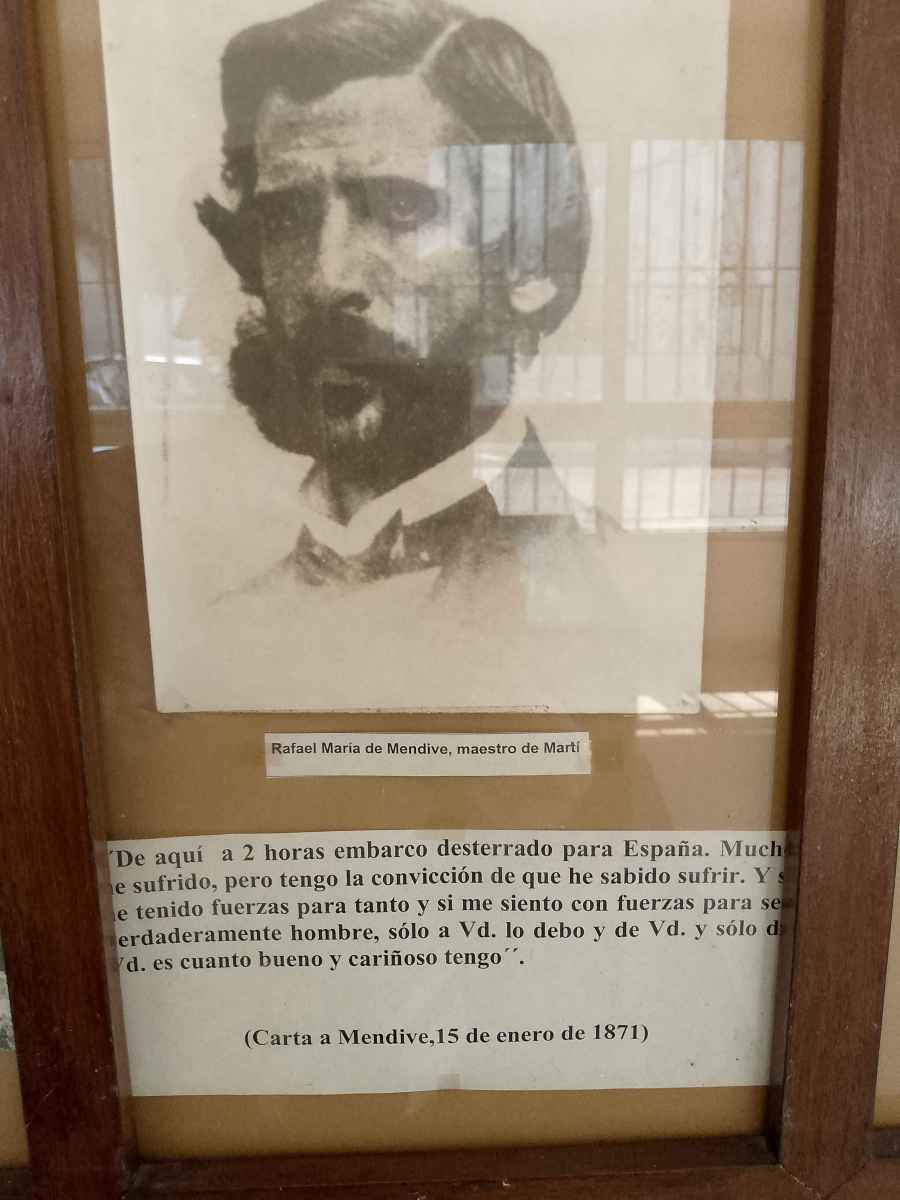
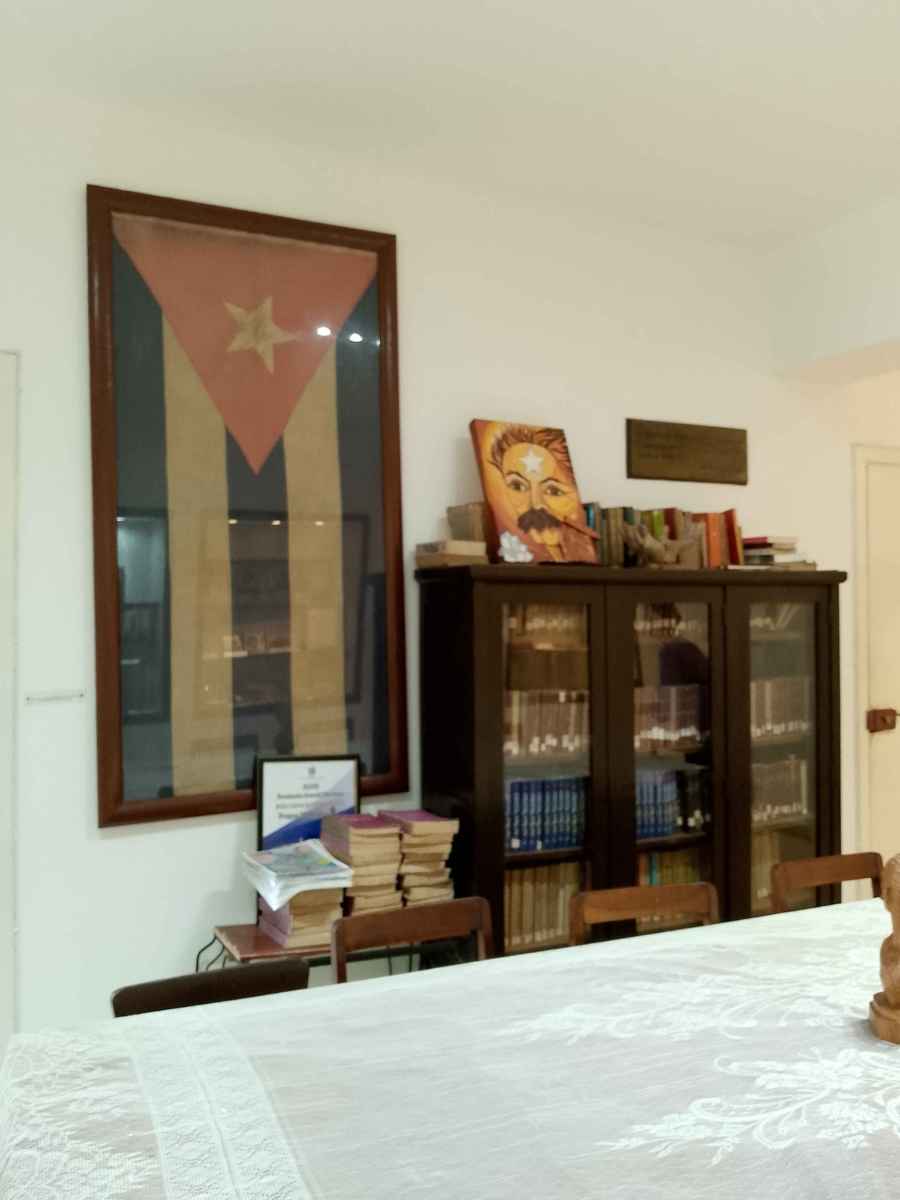
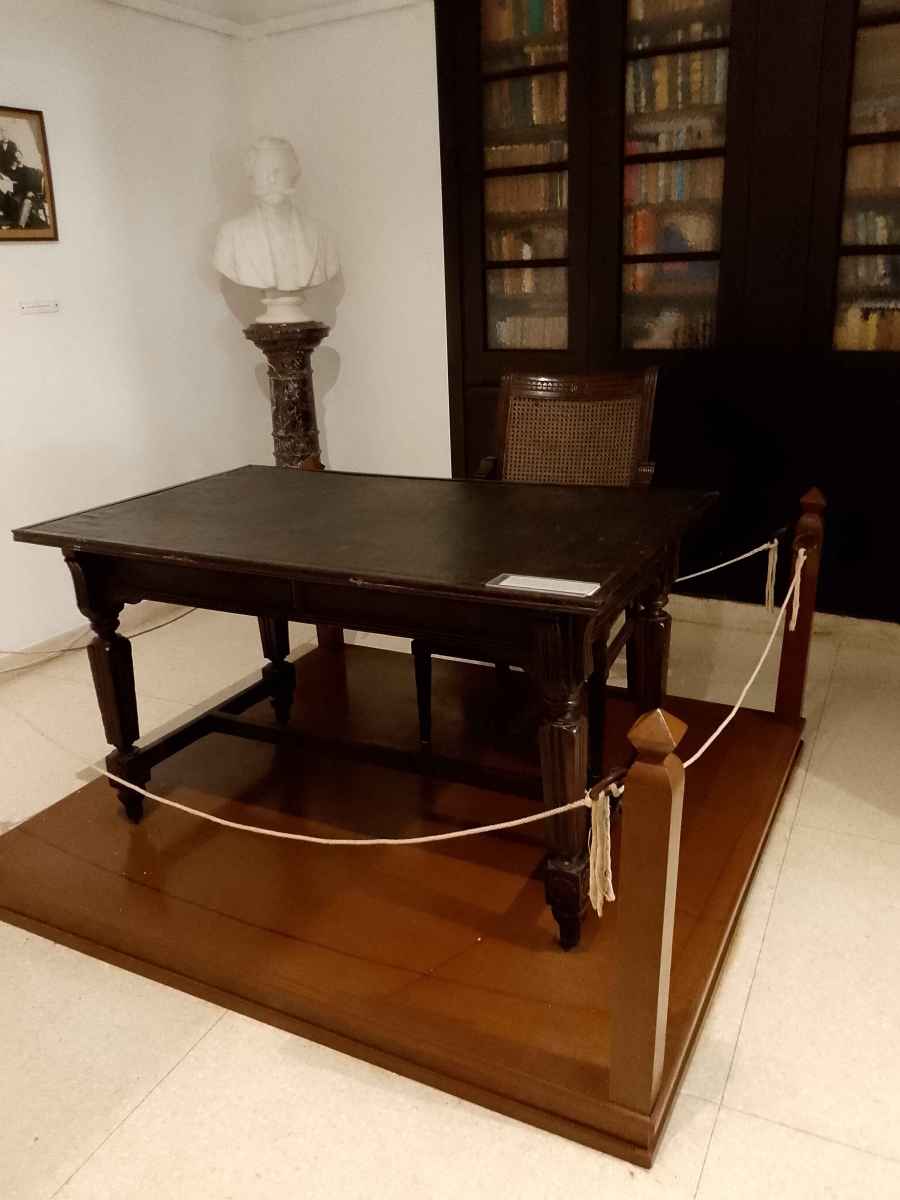
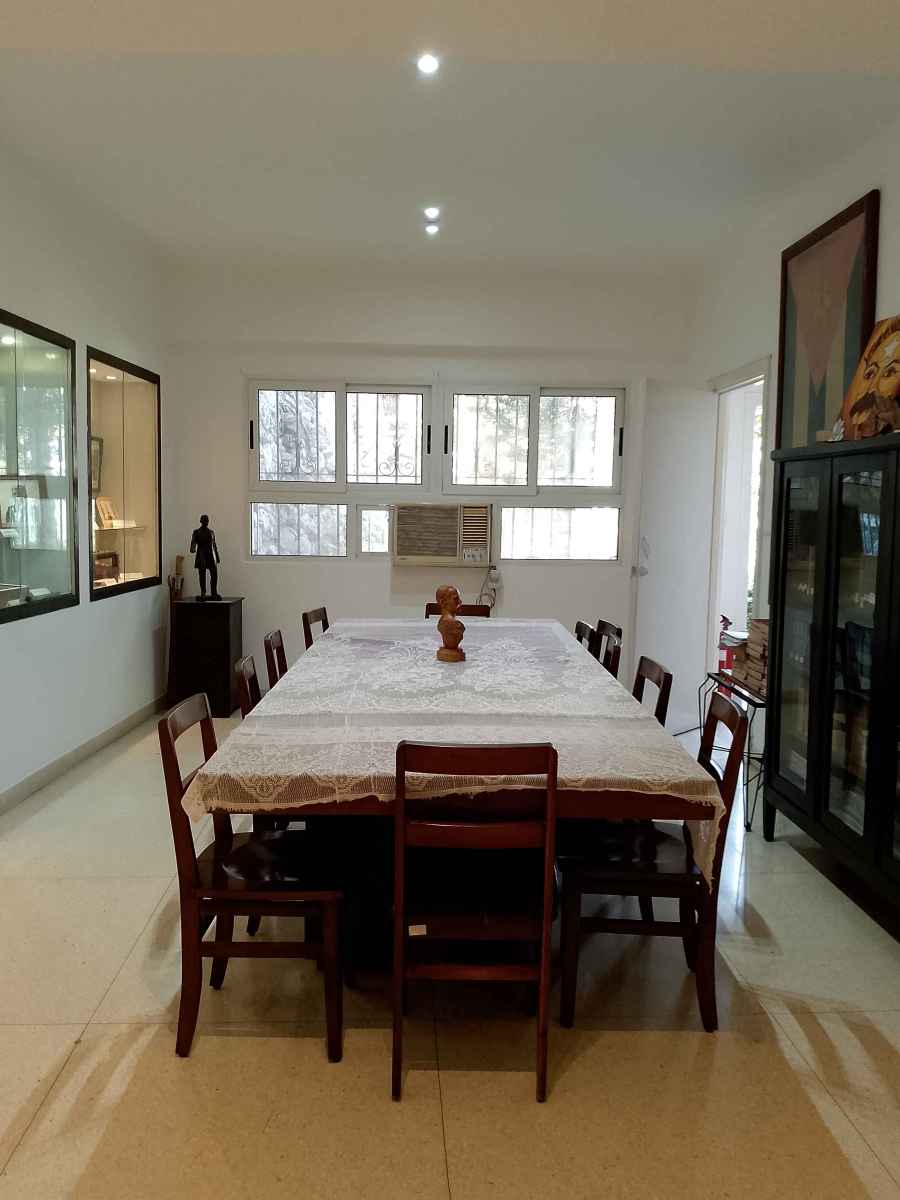
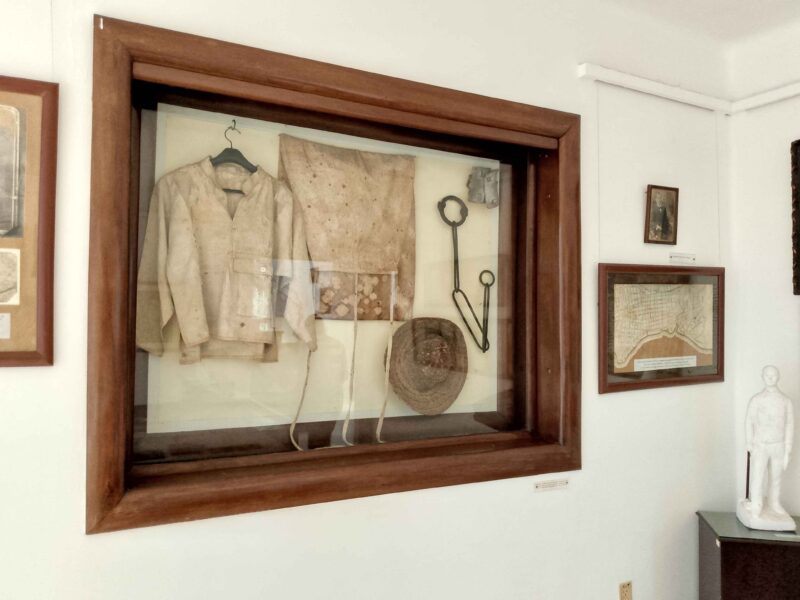
In this museum, located on Príncipe Street between Hospital and Espada, documents related to his life and work are preserved, along with family photographs and fragments of letters from the Apostle to his mother, his son, friends, and his teacher Rafael Maria de Mendive. There are also personal objects, such as his prisoner’s clothing and fragments of the chain that was fastened to his body. Notable among the exhibits are the table and chair Marti used during his stay in the United States.
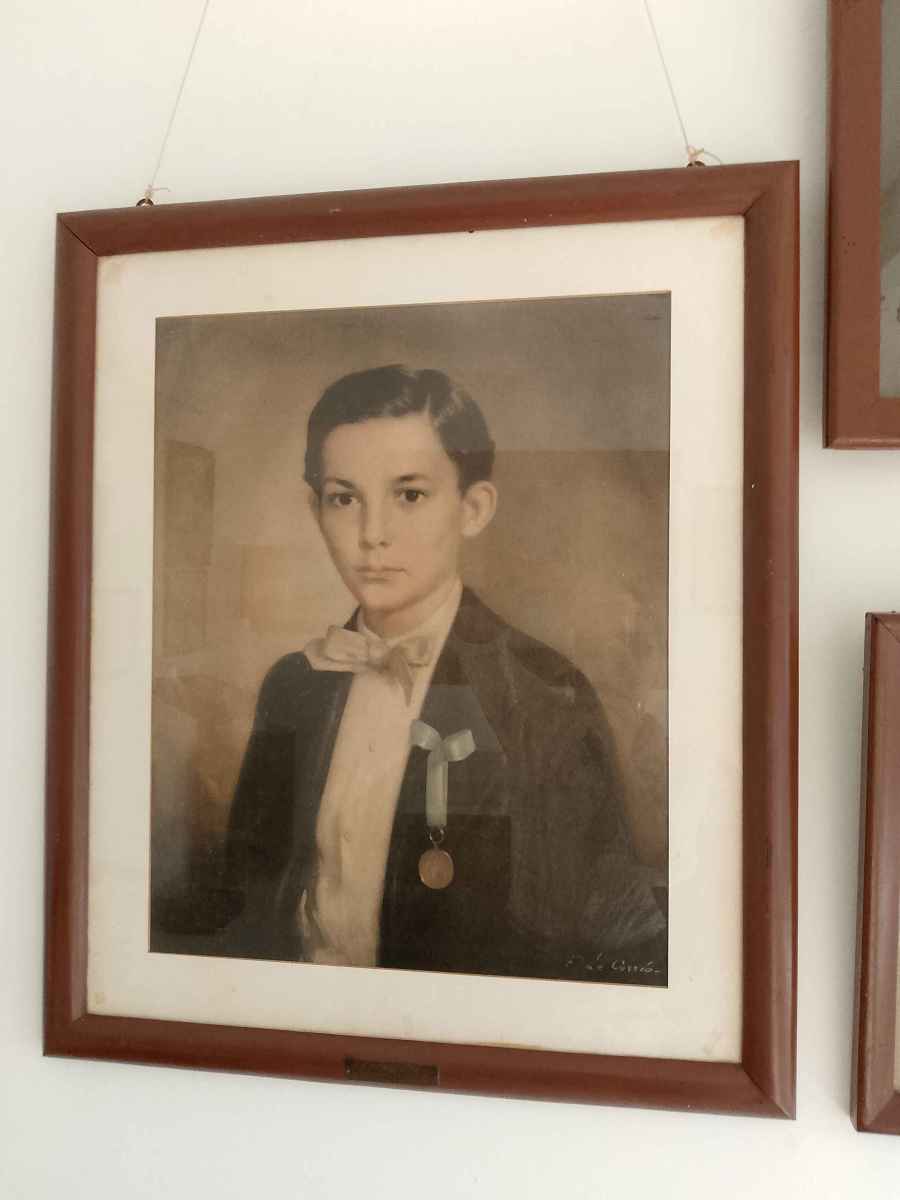
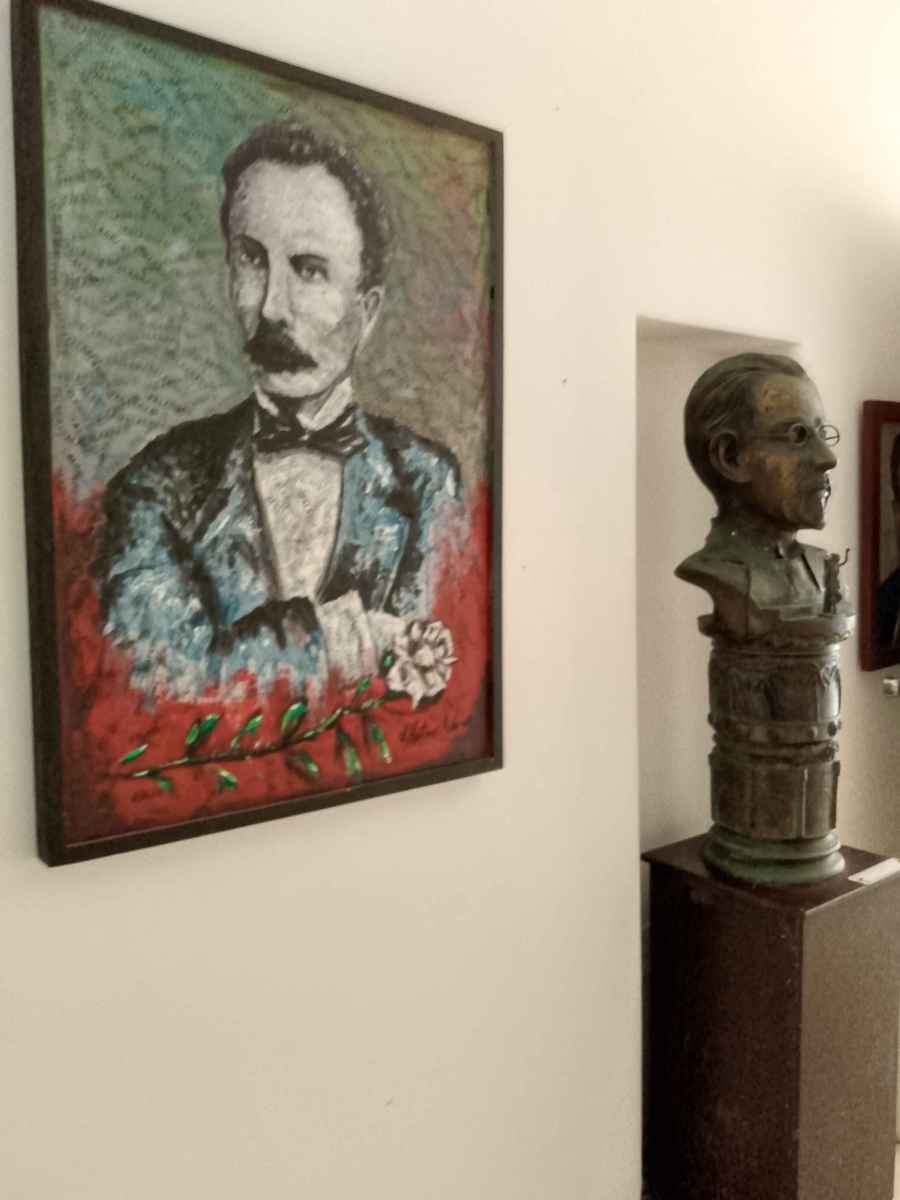
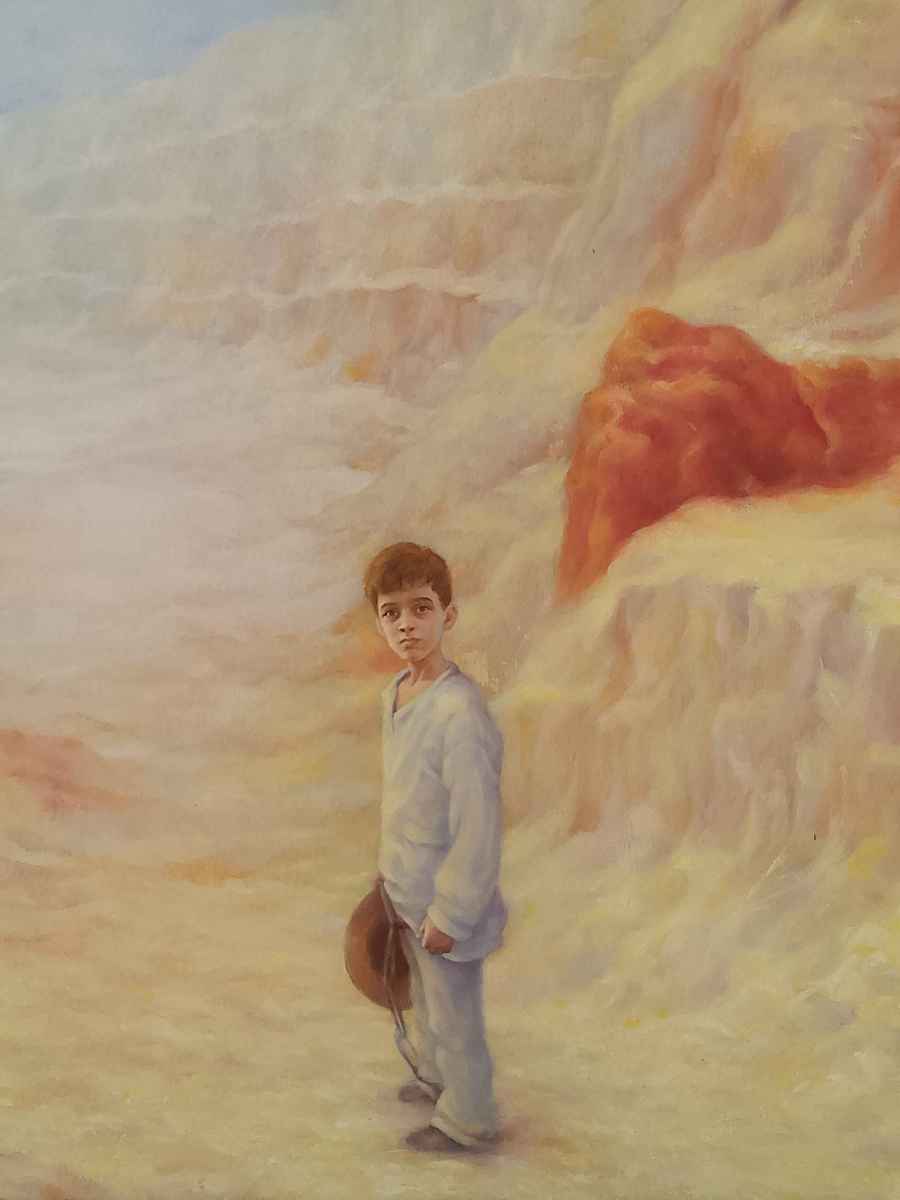
Cuban visual artists have recreated the figure of Jose Marti, each in their own aesthetic style.
I was struck by a photograph showing Martí at age 16 — slight and fragile in appearance — with a chain fastened to his waist and a shackle on his ankle.
Despite his youth, he was already very mature and responsible. His health was damaged, and he was left with aftereffects such as conjunctivitis from the stone quarry dust; yet his spirit was elevated by that experience. After his deportation to Spain, he wrote The Political Prison in Cuba, a text denouncing the horrors his companions were subjected to in that penitentiary regime, suffering more from the pain of others than from his own.
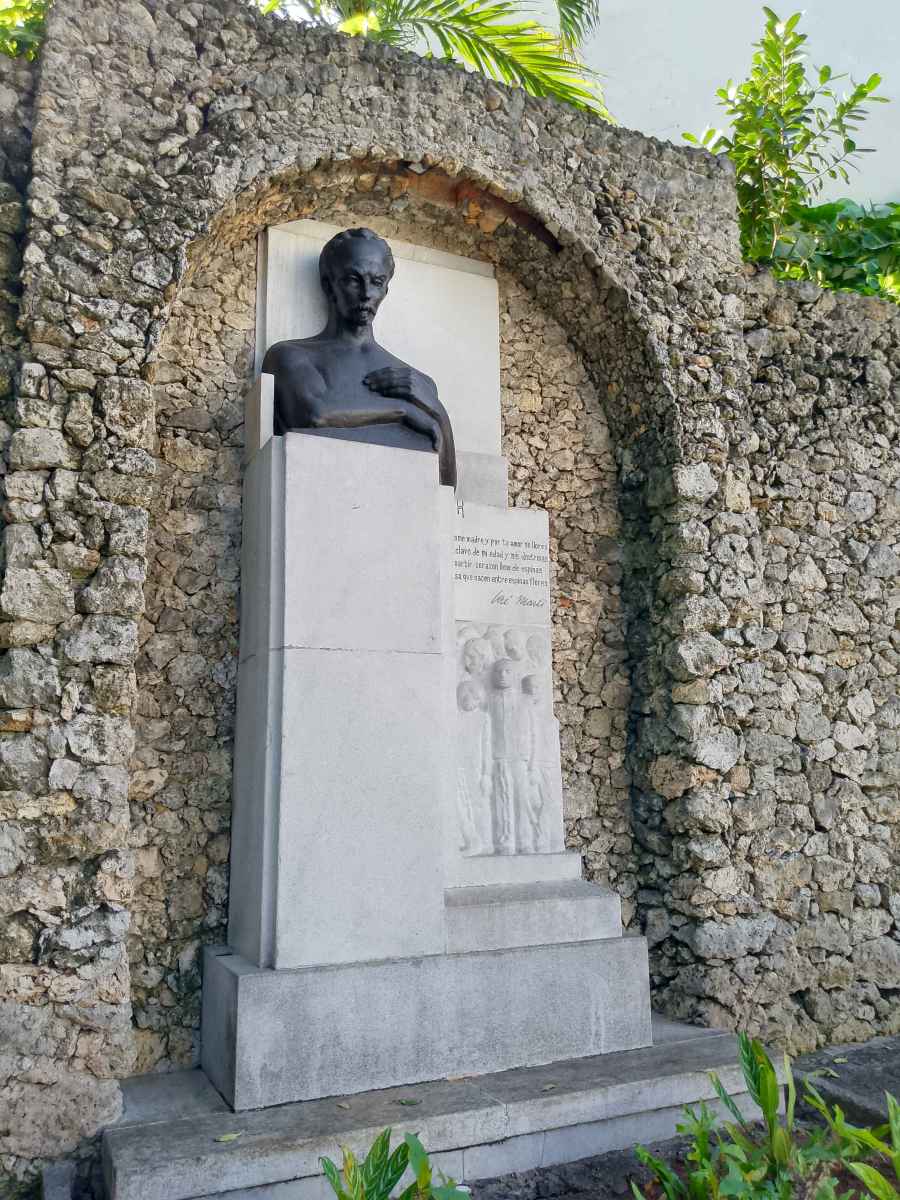
As a curiosity, there is a fragment of a letter to his mother, Leonor Perez, engraved on one of the exterior statues:
“Look at me, mother, and for love do not weep. If a slave at my age and my doctrines, I filled your martyred heart with thorns, think that flowers are born among thorns.” — José Martí.
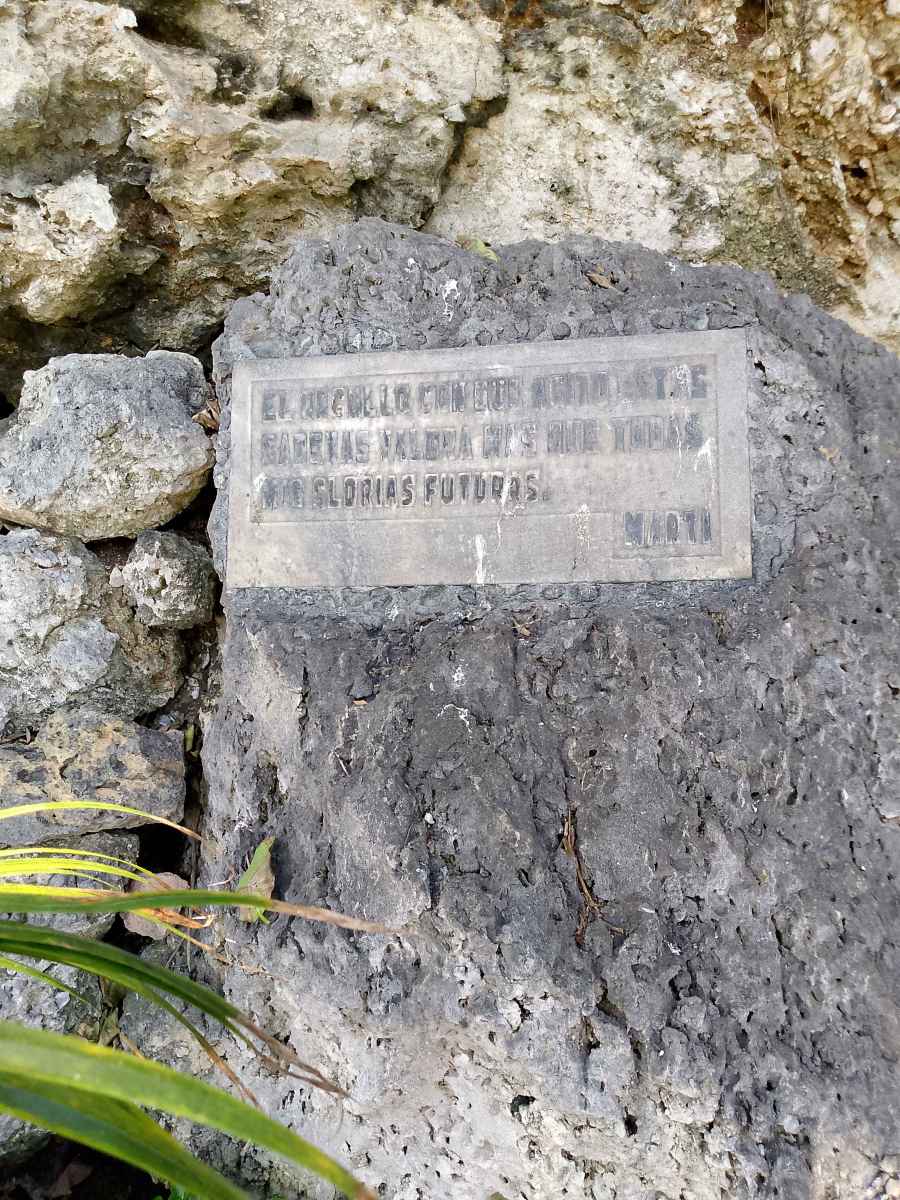
In what was once this quarry of sorrow, a garden now stretches out with beautiful pathways; the stones carry the meaning of freedom. And most important of all: Marti’s pure air still penetrates us even now, when we need it most.