The Daily Challenge of Cuba’s Trashed Streets
The workday begins with a scene that is repeated daily: mountains of accumulated garbage on the corners, sidewalks and yards…
Read More
The workday begins with a scene that is repeated daily: mountains of accumulated garbage on the corners, sidewalks and yards…
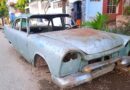
Read MoreThey arrived in Cuba in the late 1940s and 1950s, a period of intense vehicle imports and expansion of the national automotive fleet.
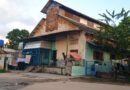
Read MoreIn Cuba, housing is not just a roof: it is a broken promise, an old wound that cuts across generations.
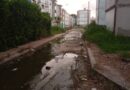
Read MoreAuthorities acknowledge that in Havana between 40% and 50% of the pumped water is lost—a figure that at times reaches 70%.
Read MoreThere was a brief period when the network worked. The ATMs, located in central areas, were regularly stocked by armored vehicles.
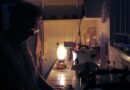
Read MoreAt 9:00 PM in Havana, the fan stops turning, the television switches off in the middle of a soap opera, and the lamp’s dim glow disappears.
Read MoreThe day in a Havana tenement building doesn’t begin; it emerges. The first ray of sunlight slips between the bars of a balcony…
Read MoreIn every corner of the island, daily life unfolds under an alert triggered by the buzz of the mosquito — no longer just a nuisance…
Read MoreWalking past the House of the Green Tiles is, for the curious an invitation to imagine the conversations that once took place there.
Read MoreWith the 1959 Revolution, bread became politicized. The promise of “bread for everyone” was institutionalized in 1962 with the Ration Book.
Read More