
What Maduro’s Capture Means for Cuban Immigrants in Brazil
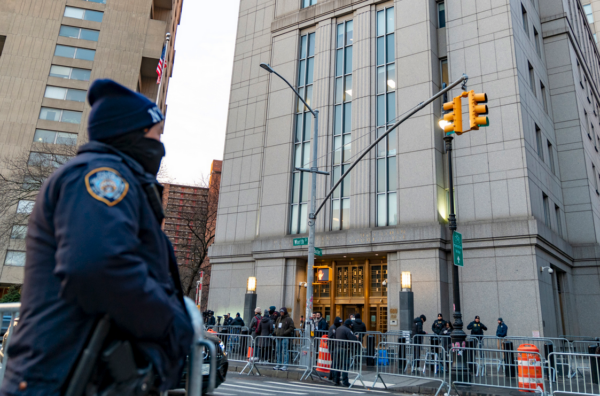
HAVANA TIMES — The capture of Maduro by US troops on January 3rd took me by surprise. There had been a long preamble since Trump began issuing threats. Ships, rumors—overall, an expectation that seemed it might never actually come to pass.
I first saw the WhatsApp messages that Venezuelans at work had posted in the group chat. Videos showing nighttime explosions, all the shock and terror that accompany an event like that.
When I arrived at work—where Cubans and Venezuelans now make up the majority—everything felt paralyzed, and there was euphoria, mainly among the Venezuelans. For them, it meant the end of a dark era that had stretched on for more than two decades.
Some talked about packing their bags immediately to return to their country.
Alongside this explosion of joy were us, the Cubans, who have suffered more and for a longer time, and who know—or at least suspect—the implications that such an event could have for us.
“Now it’s Cuba’s turn,” said a Cuban woman who has been in the country for three months.
“Would you go back?” another Cuban asked.
“If Cuba gets better, of course I’d go back,” another young Cuban assured me, after seeing how thoughtful I became at the question.
“I sold everything to leave Cuba—what sense would it make to go back?” I said to them.
“You go back and buy yourself a house. You buy everything,” said a Cuban cashier, barely out of her teens.
I shot back: “I’ve just finished paying off the debt for the plane tickets, after two years of scraping it together. In this country, in this market, wages aren’t enough for the triumphant return you imagine. With what money am I supposed to buy a house?”
Amid all the euphoria and the questions that arise with a rupture like this, people forget that this is a delicate moment—a transition that is not without dangers and unexpected turns.
As for Cuba, there have been no statements from the US government about any intervention. And given the track record of six decades of bravado without action, one could well think that the issue with Venezuela is about oil—and we don’t have any.
Still, from this event emerges a new, small hope for Cubans who dream of freedom for our country. The regime’s financial suffocation, which over the years has shown an astonishing capacity to survive, but everything has its limit, doesn’t it?