
Cuban Sports Trainers in Venezuela “Waiting for Orders”
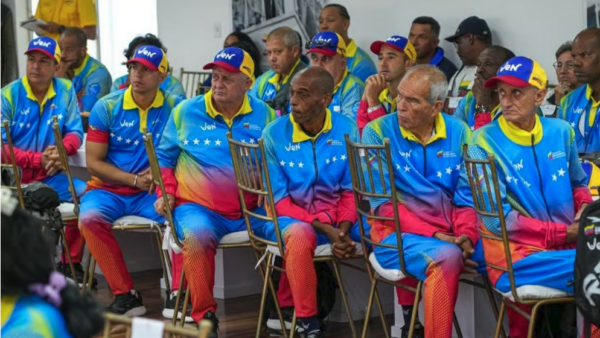
Víctor C., a Cuban coach in Caracas, woke up on January 3 with his heart in his throat. “We got a big scare, but we’re okay.”
HAVANA TIMES – Although far from the thunderous explosions at Fort Tiuna, the alert from colleagues about the United States’ attack on military targets of Nicolas Maduro’s regime left him frozen in his lodging, where nearly a dozen sports coaches from different Cuban provinces live together.
“We got a big scare, but we’re okay. Now everyone is in their homes, waiting for orders in case we have to return to Cuba, although it would be done calmly,” says Víctor, 38, who has spent two years on the sports “mission.”
“For now, some doctors have returned to the CDIs (Comprehensive Diagnostic Centers). Everything is calm because chavismo is still in power, although there is fear. If the order to return comes, it will be across the board: doctors, coaches, everyone. But these are just assumptions. So far nothing has been confirmed,” he added.
Ernesto, another physical education collaborator in western Caracas, confirms this: “They haven’t told us anything about going back yet, but apparently everything is normal. People are out on the streets lining up to buy things, although they’re on edge, always afraid that something worse might happen.”
He says that some lodgings for Cuban collaborators lost internet service after attacks on antennas, and electricity remains intermittent.
At first, some activities were suspended, such as plans in neighborhood courts or gyms, and they were instructed to “keep a low profile.”
According to them, the main message coming from their coordinators is that “everything is fine now” and that things will return to normal—even joking that some collaborators attended a kind of “sports mass” for peace of mind in Venezuela.
Several independent media outlets have reported a more complex situation among Cuban personnel in the country in recent hours.
According to 14ymedio, Cuban medical brigades in Caracas are practically paralyzed, with personnel “waiting for a decision from Havana” and strong rumors that those who have already completed their missions could be repatriated before January 16, although there is confusion among those who say they are waiting for the order to return to work.
Diario de Cuba, for its part, gathered testimonies from doctors stating that coordinators activated evacuation and first-aid protocols, urging them to keep backpacks with basic supplies ready while they await clear instructions from mission leadership.
Selective Silence from Havana
Cuban Health Minister Jose Angel Portal said after the January 3 attacks that Cuban “mission personnel” in Venezuela “are protected,” emphasizing the safety of healthcare personnel.
Although the official note mentioned “other professionals,” the message focused on medical staff, without distinguishing among missions or explicitly mentioning sports collaborators.
Meanwhile, the Cuban Institute of Sports, Physical Education, and Recreation (INDER) limited itself to a statement condemning the “imperialist aggression,” demanding “proof of life” from Maduro and Cilia Flores, and calling for Bolivarian unity.
Not a single line addressed the concrete situation of its coaches: how many were deployed in the country or whether there were evacuation protocols for cases like this.
An Opaque Agreement with No Clear Figures
Cuba and Venezuela have maintained a Comprehensive Cooperation Agreement since 2000, which has sent thousands of Cuban professionals to the South American country.
The Barrio Adentro Sports Mission, created in 2004, seeks, according to chavismo, to “massify grassroots sports with recreation promoters and specialized coaches.”
To fulfill this objective, it was extended to the education sector, where Cuban advisers were installed to provide technical assistance in schools, train sports promoters, and encourage the practice of various disciplines, such as athletics, boxing, volleyball, judo, and chess, among others.
In 2018, the official Cuban outlet JIT reported more than 200 Cuban coaches working in Venezuelan territory.
However, neither INDER nor Venezuela’s Ministry of Sports has published updated figures on the number of sports collaborators working in the South American nation in 2026.
Cuban sports missions, less visible than medical ones, also generate vital foreign-currency income for the regime amid a deep crisis, which could explain the lack of transparency.
Without an official statement from INDER, families in Cuba also do not know what the orders will be. Nor has the Cuban sports authority addressed them directly.
“I am praying so hard for his safe return. I want him back now (…) don’t wait any longer, he shouldn’t be there anymore,” pleaded Ernesto’s mother.
First published in Spanish by El Toque and translated and posted in English by Havana Times.