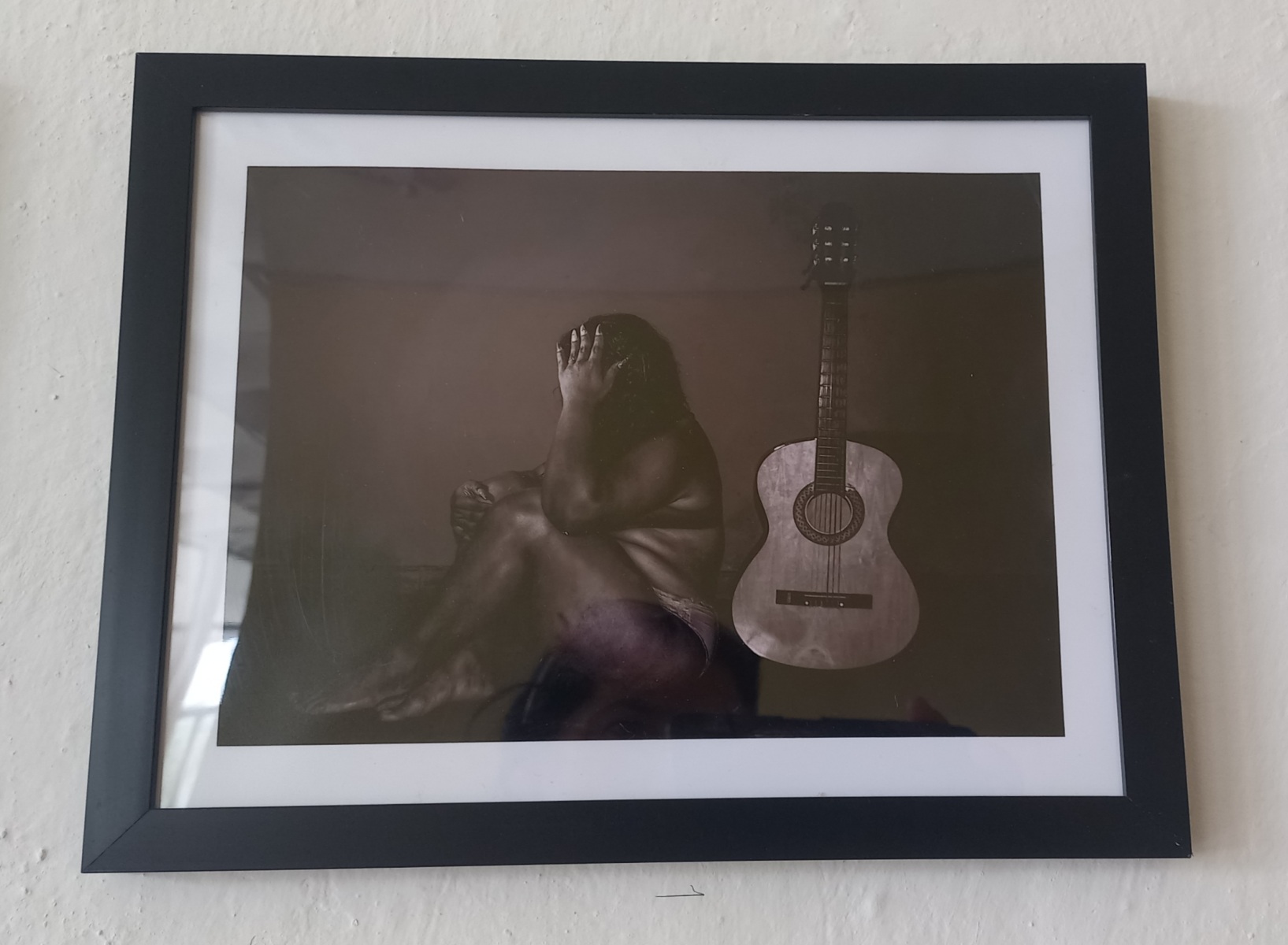
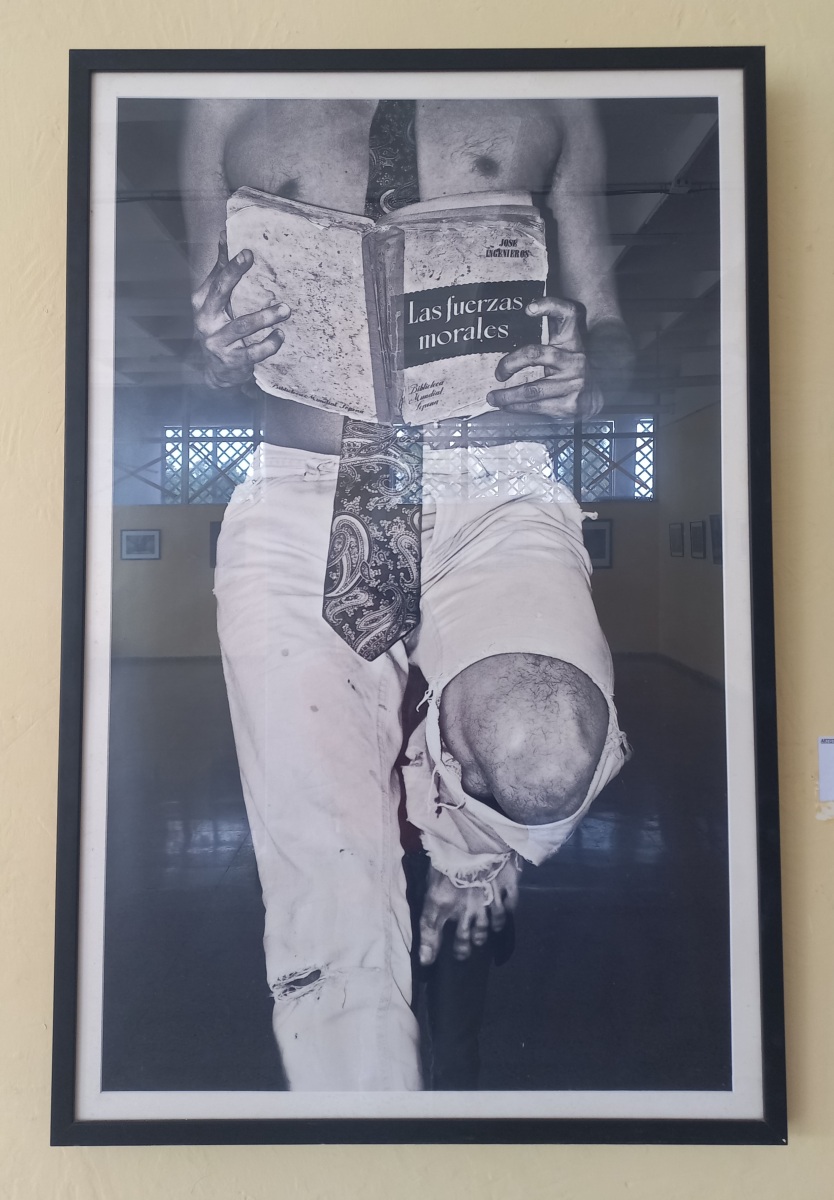
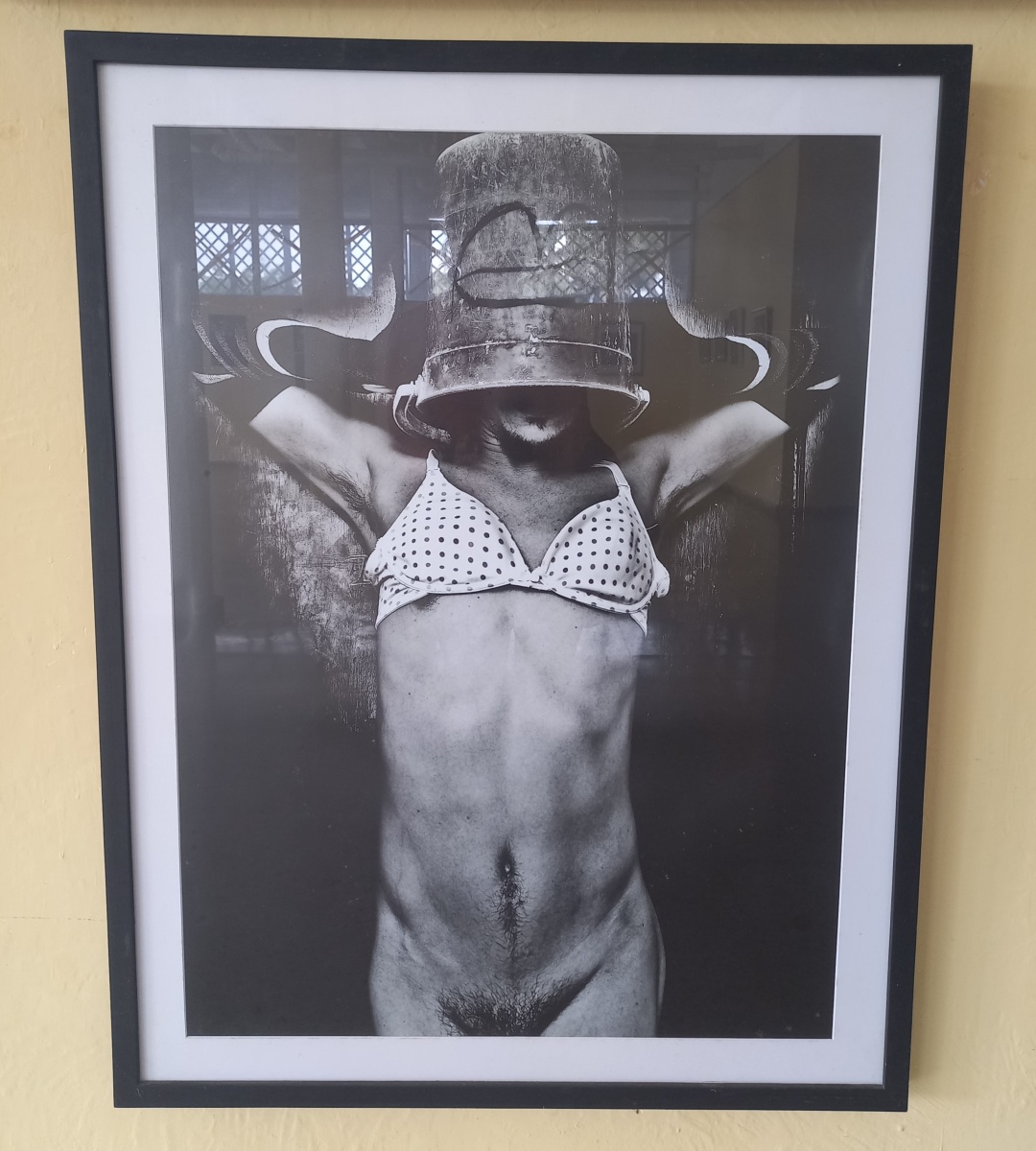
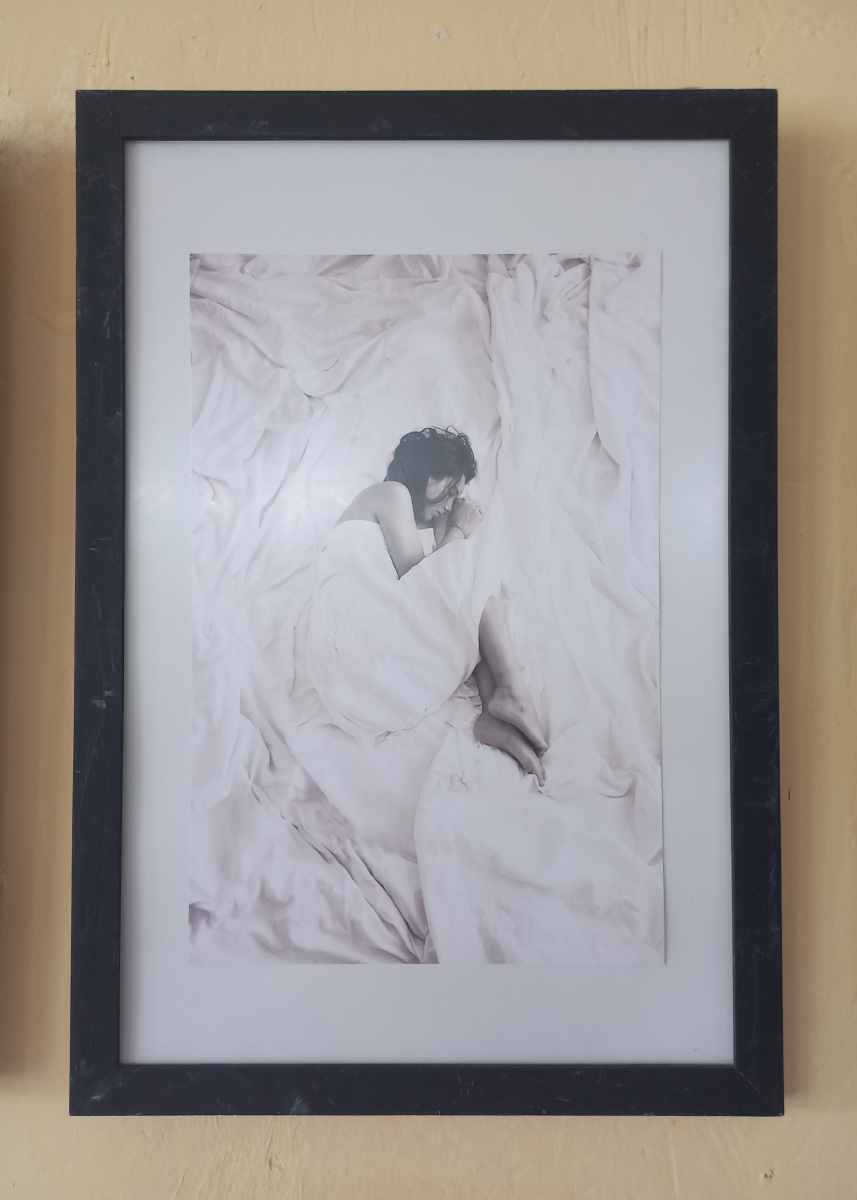
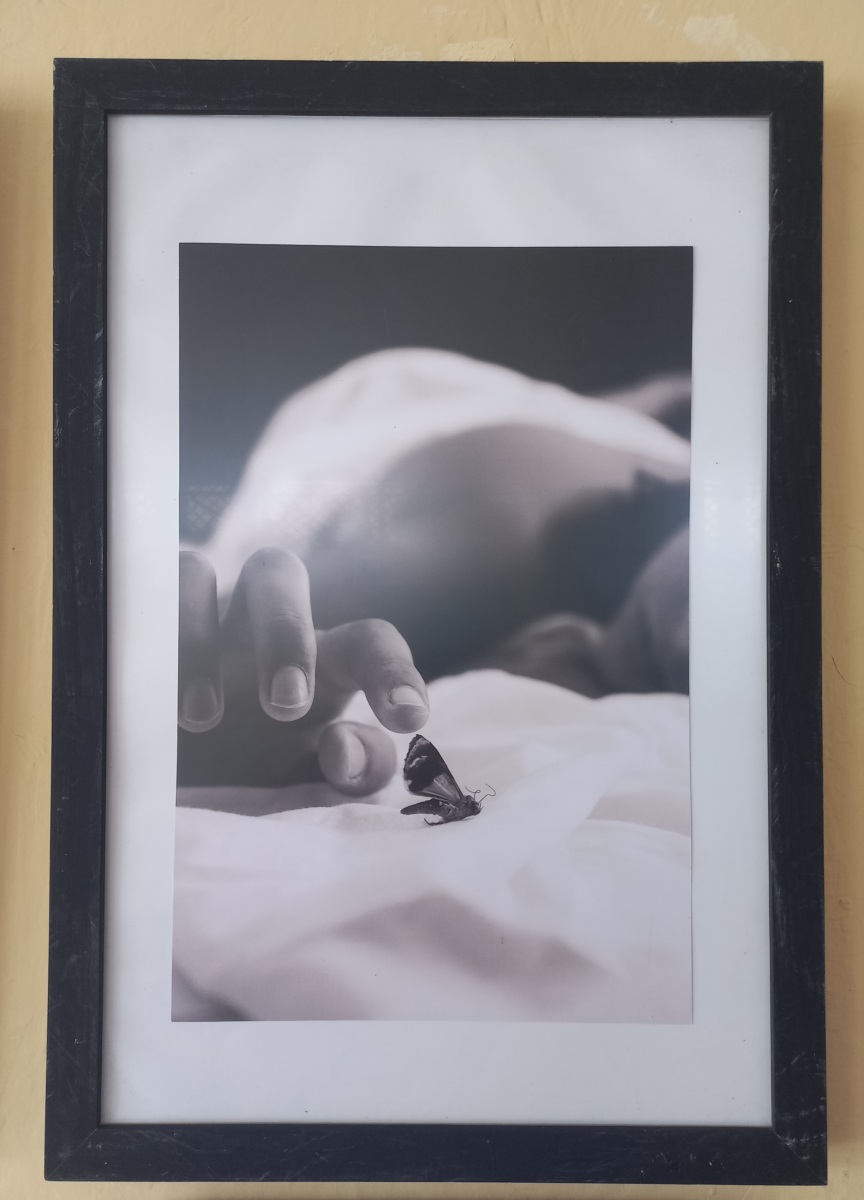
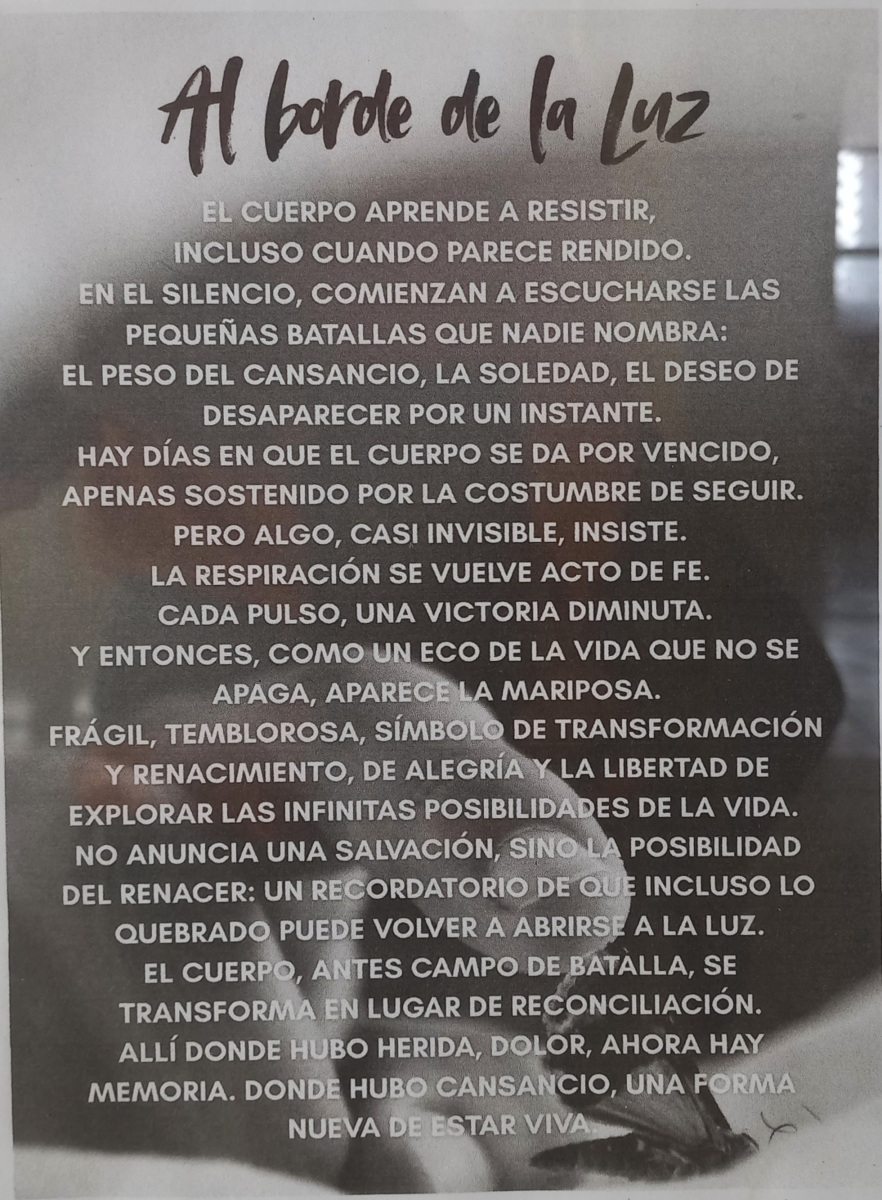
“The Body as a Battlefield” Photographic Exhibition
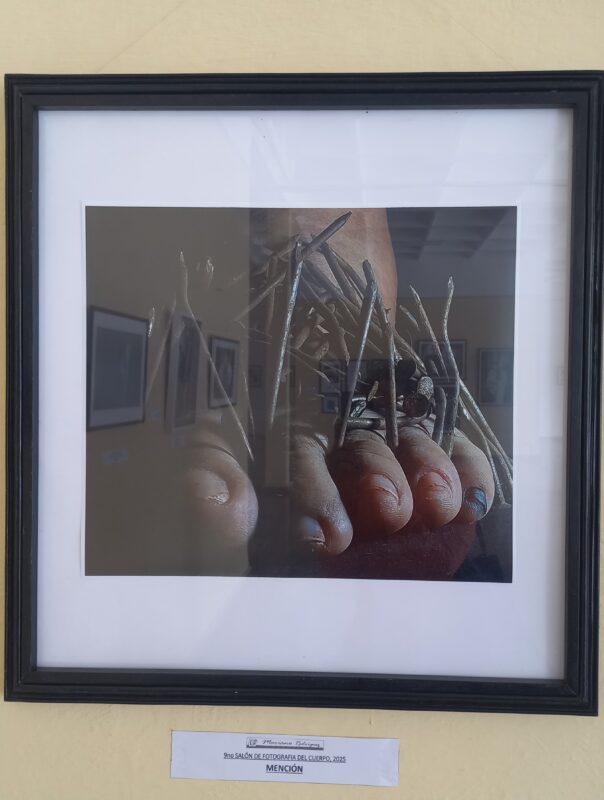
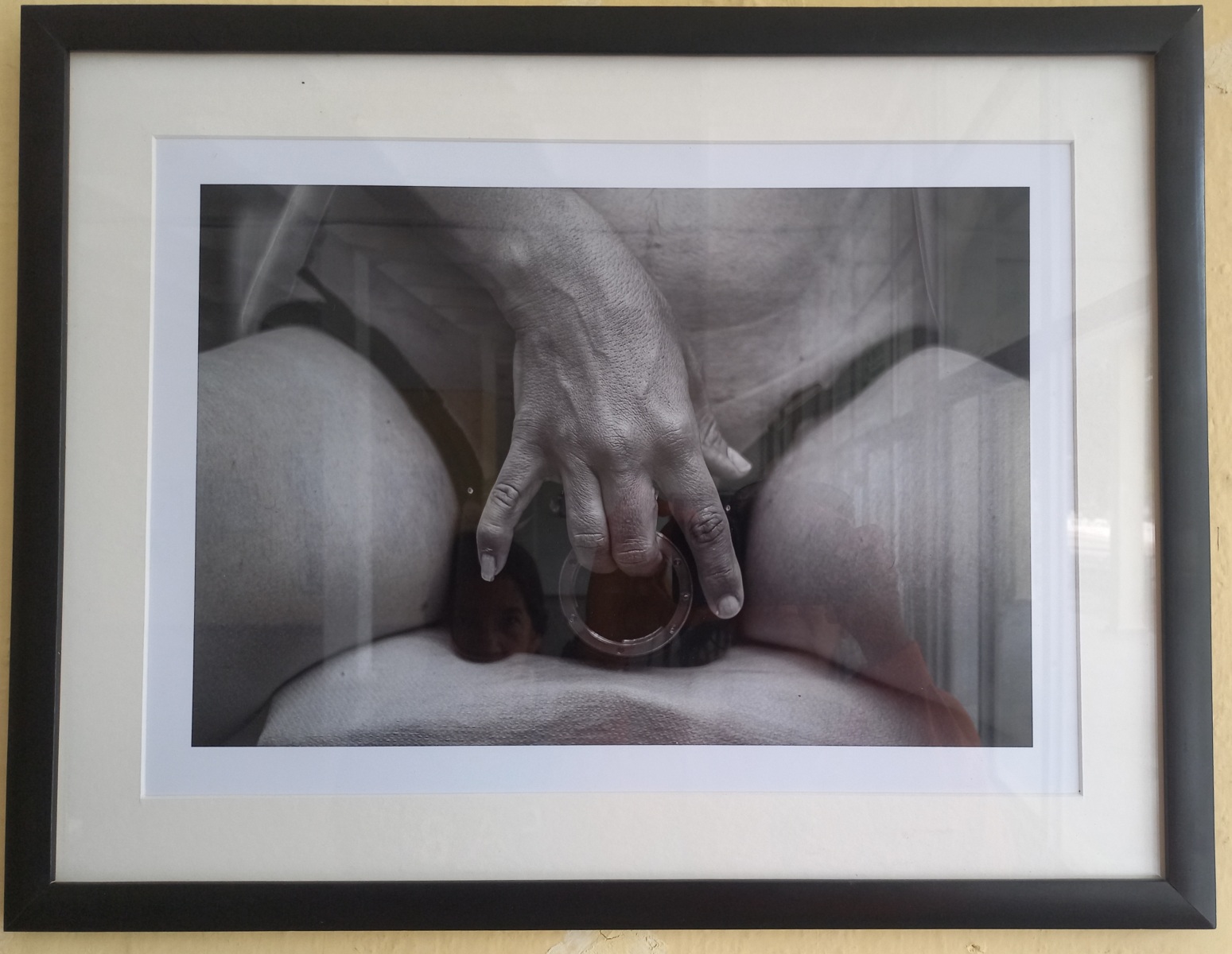
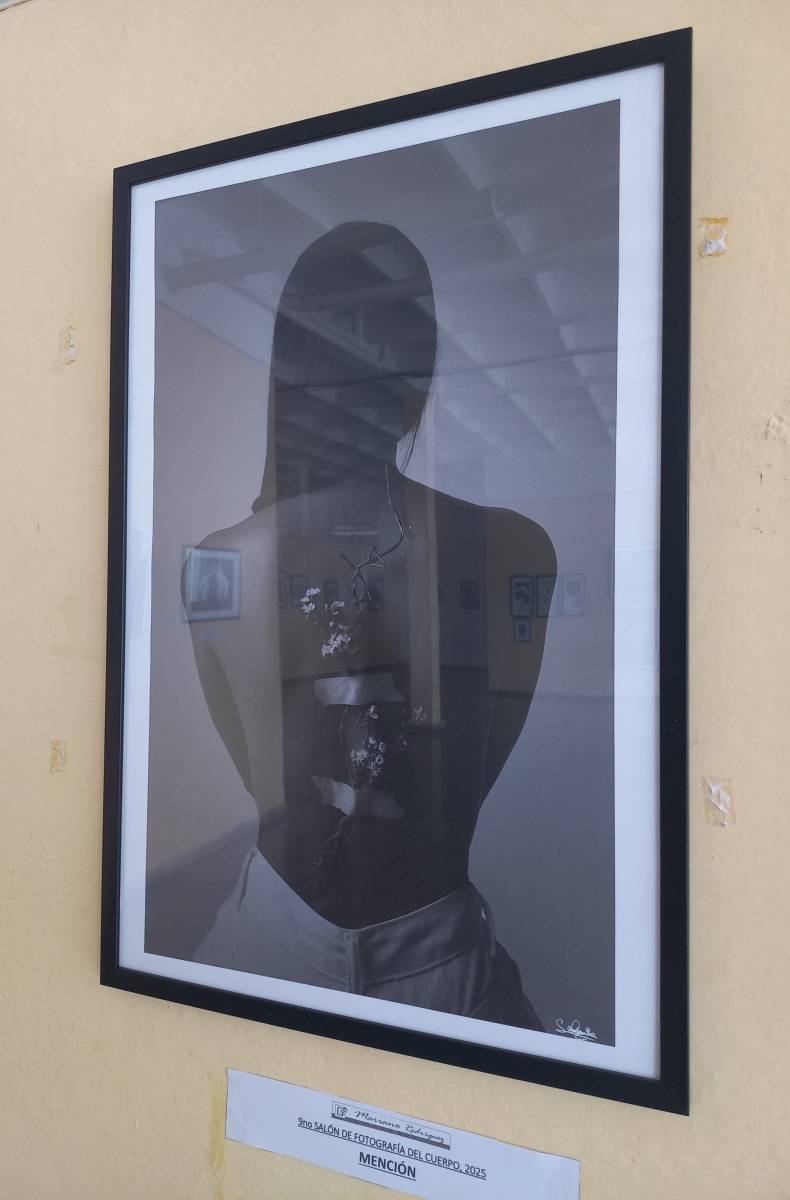
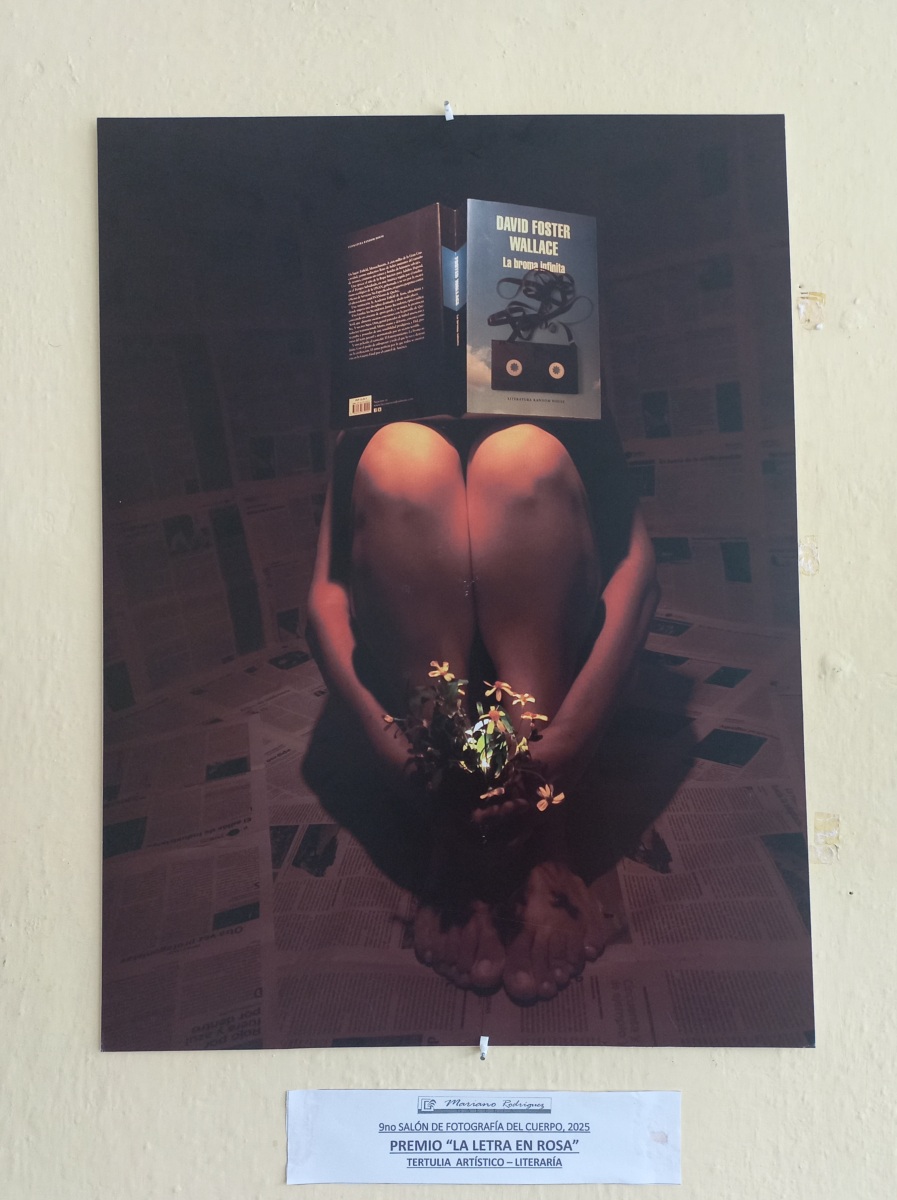
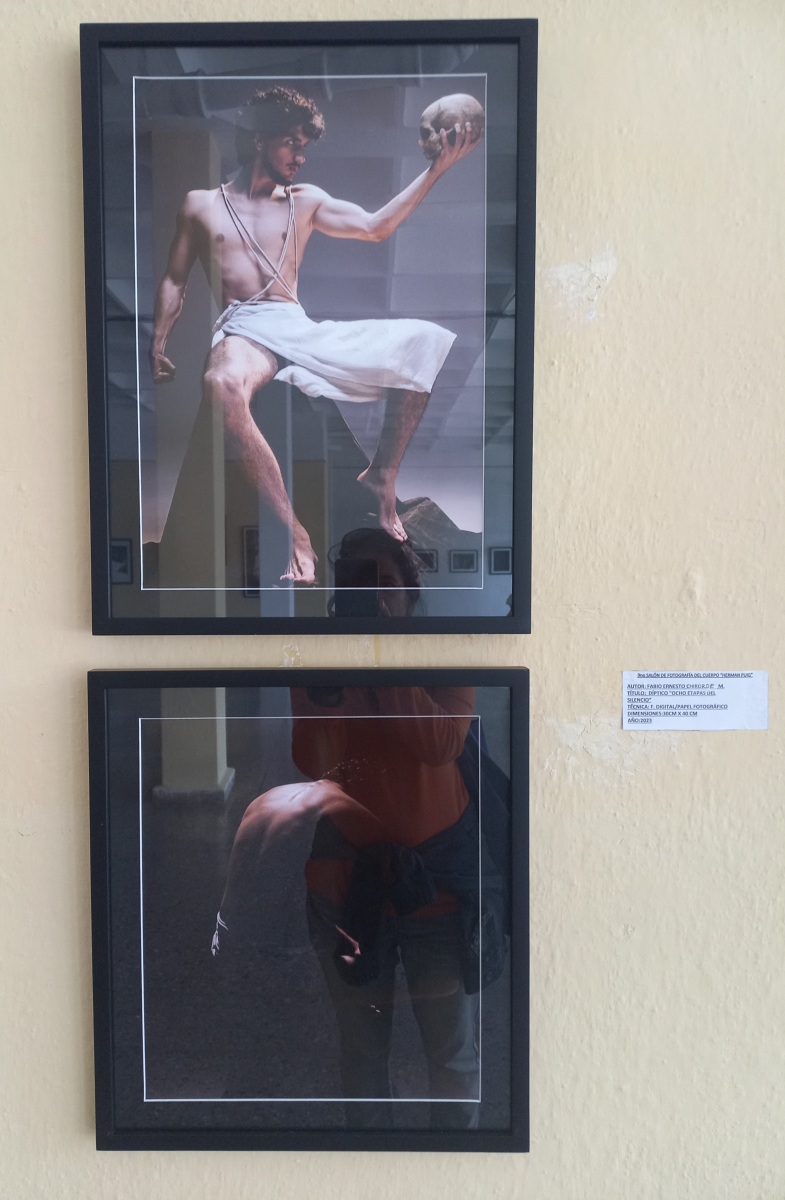
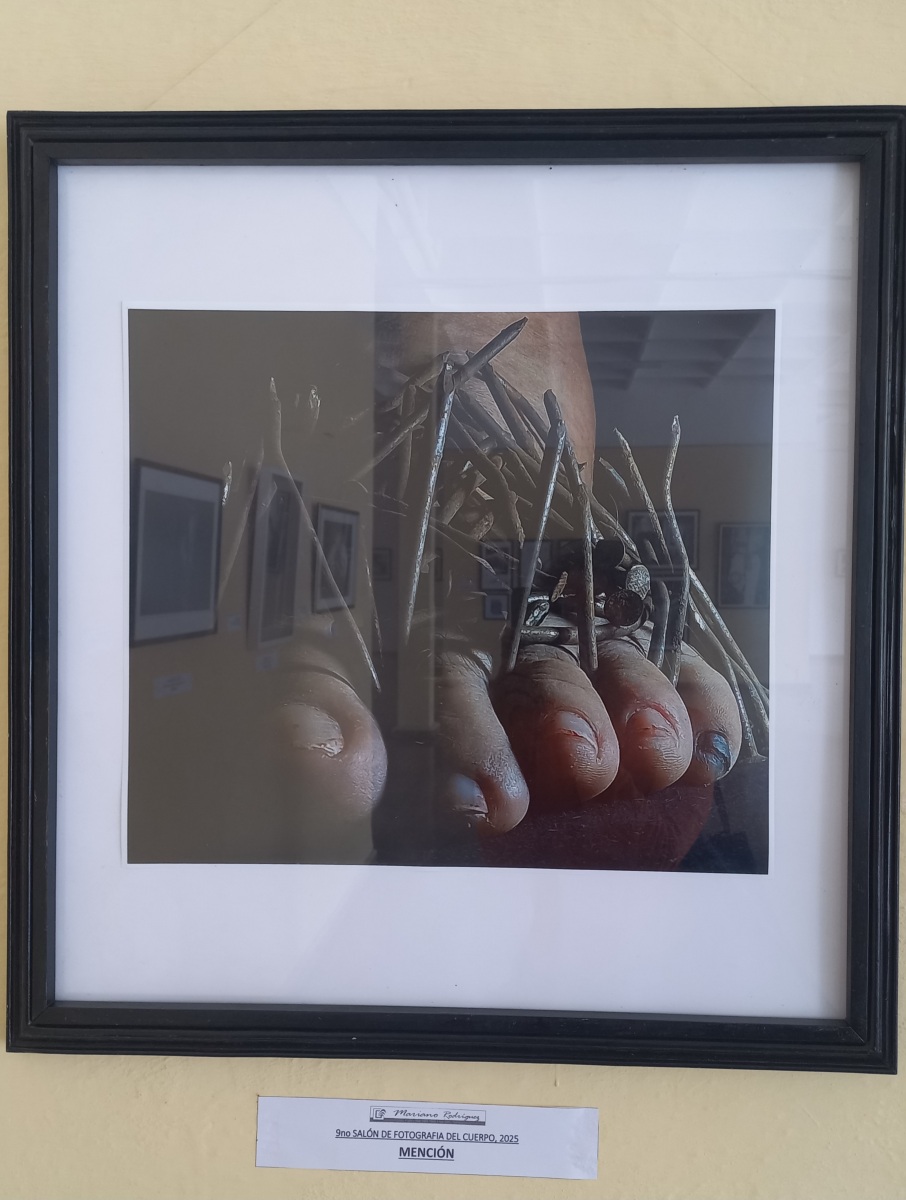
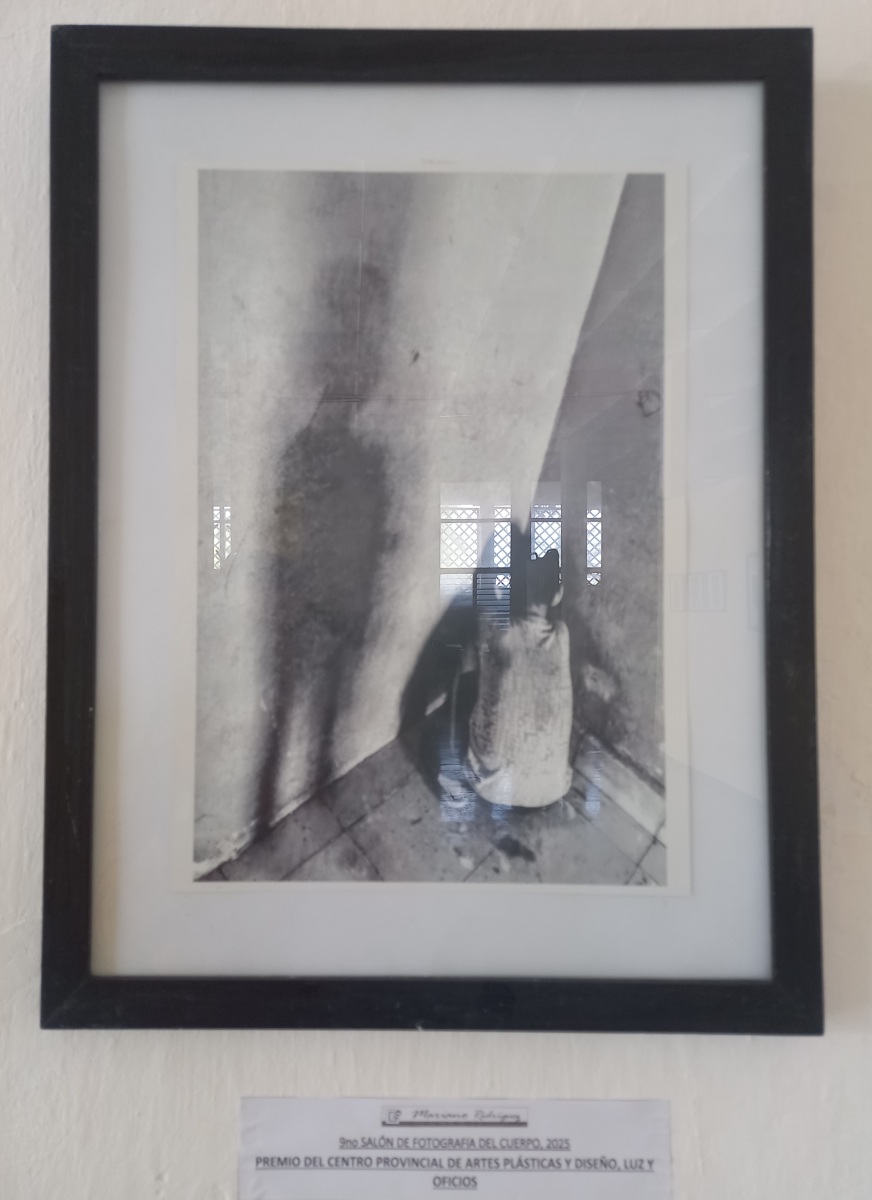
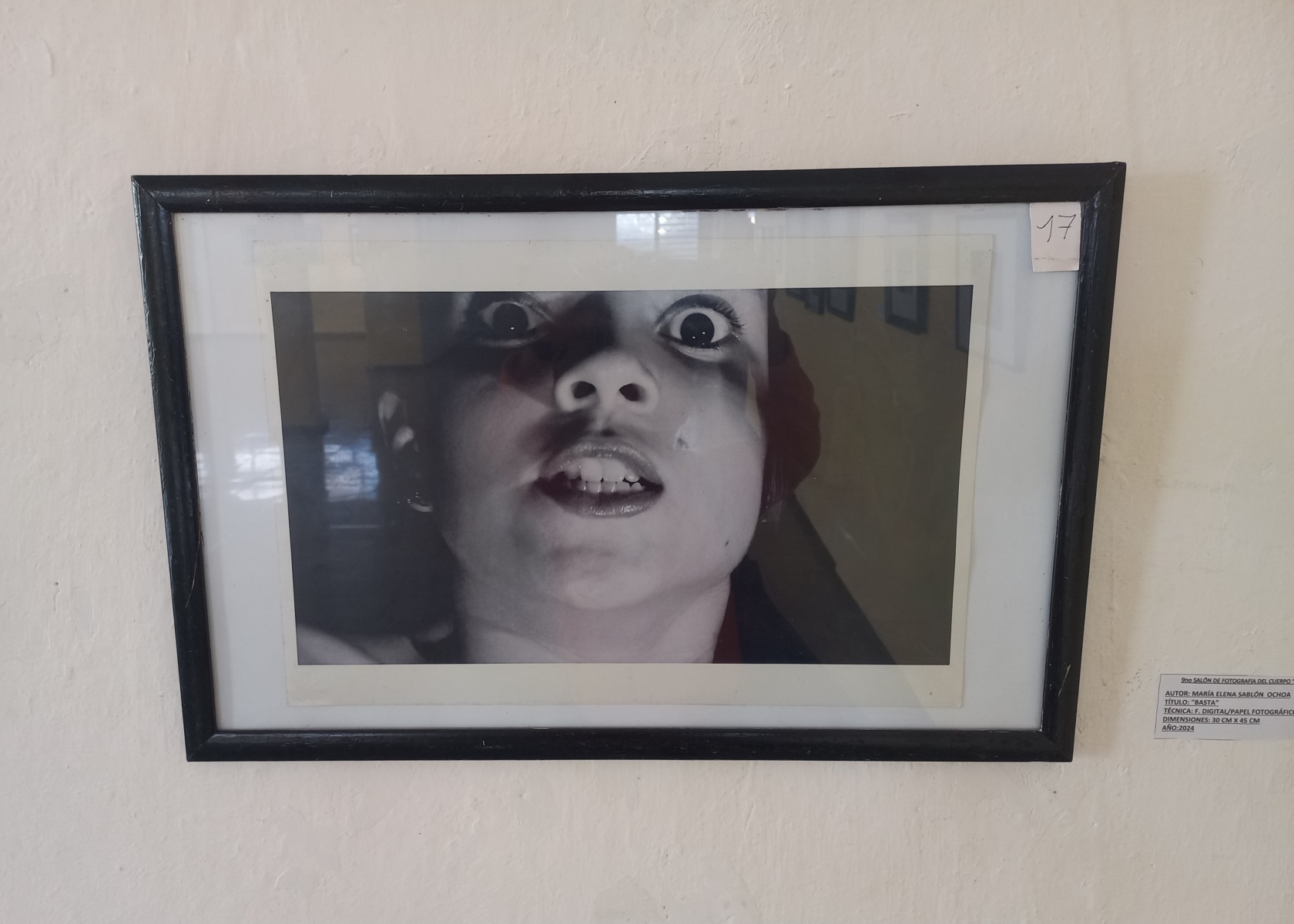
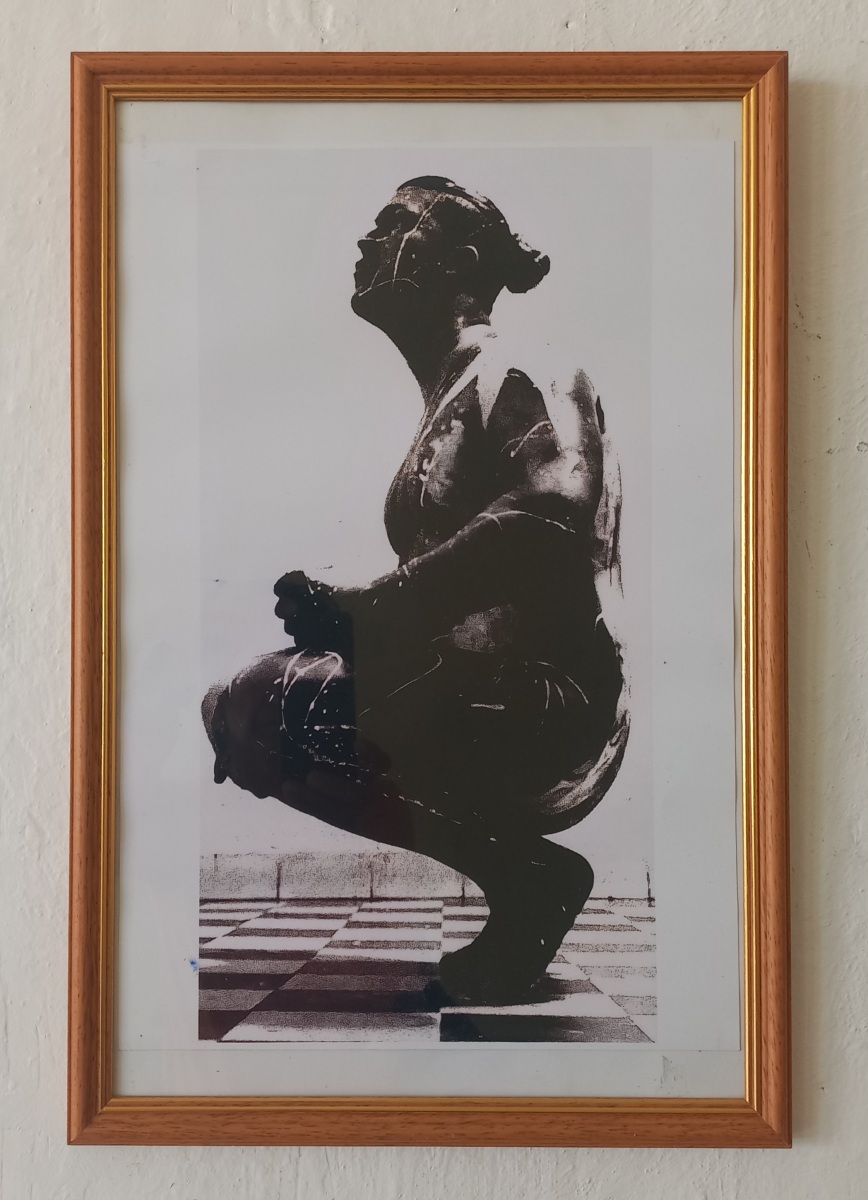
HAVANA TIMES – On Saturday, November 29, the Herman Puig body-focused photography exhibition opened, and this year’s winners of the Ninth “Herman Puig” Photography Salon were announced.
I want to highlight the quality of their works, their conceptual art depicting Cuban reality, their individual interpretations of what the body means and the value it holds in our lives. They are young artists with great talent and imagination.
And who is Herman Puig? He was a very interesting and very important figure in Cuban photography and cinema.
Herman Puig Paredes was a Cuban photographer born in Sagua la Grande on February 25, 1928, in the former province of Las Villas (Cuba), and he passed away in Barcelona (Spain) on January 25, 2021. He studied painting and sculpture; his first short film, “Sarna,” he shot with Edmundo Desnoes in 1952. In 1951, he founded the Cinemateca de Cuba with help from Henri Langlois, director and cofounder of the Cinémathèque Française with Georges Franju.
Langlois began sending French films on the condition that the Havana film club be converted into the Cinemateca de Cuba, initially under the protection of the cultural organization Nuestro Tiempo. Puig was also a portrait photographer for the García Menocal family and one of the founders of the famous Havana Photographic Club in 1939. He was an important figure in Cuba’s intellectual scene during the 1950s.
The Havana film club was officially recognized in 1948 and founded alongside Ricardo Vigon; with the initiative of Puig and Langlois, in 1951 it became the Cinemateca de Cuba. Puig made several short films with Carlos Franqui, Edmundo Desnoes, and Nestor Almendros, who served as cinematographer for the short “El Visitante” in 1955, a project that was never completed, also with Franqui. He also created “Carta a una madre” and, with Desnoes, “Sarna.”
In the 1960s and 70s he moved to Spain, where he worked in fashion and advertising photography. In Madrid he began experimenting with male nudes and was accused of being a pornographer by Franco’s dictatorship. He fled to Paris to prove that his nude work was artistic, and there he became a pioneer in publishing the history of the male nude in photography, gaining recognition as an artist. His photographs are currently held in the Bibliothèque Nationale de France.
In 2020, the documentary “El gran impaciente” premiered in Cuba as part of a showcase of Spanish cinema—a work by researcher Juan Antonio García Borrero. You can watch it to gain a better understanding of this Cuban artist.
I invite you to the Ninth Herman Puig Body Photography Salon, which will remain open until December 31 of this year at the Mariano Rodríguez Gallery in the Villa Panamericana.