
A Confiscated Ship and Cuba’s Energy Future
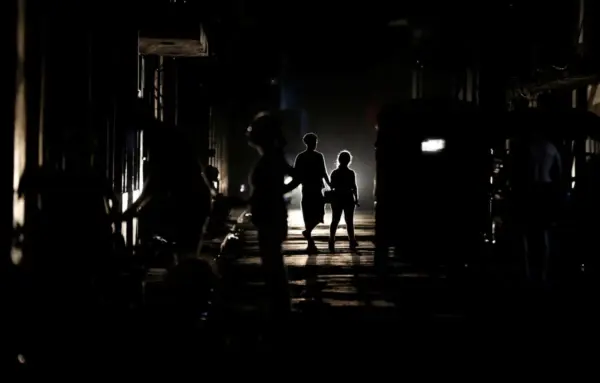
Cuba depends on opaque agreements, indirect routes, and ships that sail under the shadow of sanctions and seizures.
By Yoani Sanchez* (Confidencial)
HAVANA TIMES — Cubans have always looked to the sea with a mix of anguish and hope. The waters isolate us from the rest of the world, but they are also the route by which ships arrive carrying the goods that are so desperately needed.
These days, following the confiscation of the oil tanker Skipper, that gaze is once again filled with questions and rumors that spread across the country at the same speed as the blackouts.
In a nation where daily life largely depends on what comes through its ports, any incident involving a tanker translates into domestic anxiety. Will there be fuel tomorrow? Will power outages stretch on even longer?
An Exposed Network
The seizure of the Skipper by the United States is not just an episode of geopolitics and sanctions; above all, it is a signal that the Cuban population interprets as a possible worsening of the crisis gripping the country.
The incident has also exposed a fuel resale network that Havana has been taking advantage of for years, but which is now under Washington’s scrutiny.
Of the crude oil that Caracas delivers to Cuba, only part is converted into energy or supports national transportation; the rest ends up being purchased by distant countries that pay in the hard currency so scarce in state coffers. These transactions, however, have not translated into greater investment in thermoelectric plants or in the bus and rail networks.
Domino Effect in the Markets
Now the situation becomes even more complicated with the direction events are taking at PDVSA, Venezuela’s state oil company, one of Cuba’s main energy backers in recent years.
After the seizure of the Skipper, buyers of Venezuelan crude have begun demanding deeper discounts, fearing that their cargoes could also be confiscated by the United States. The domino effect is already being felt in the markets and in the pace at which shipments move.
According to the Reuters news agency, the Boltaris, a Benin-flagged vessel carrying some 300,000 barrels of Russian naphtha to Venezuela, decided this weekend to turn back toward Europe without unloading. Added to that setback are four other vessels scheduled to load at Venezuelan ports in the coming weeks, which have also halted their plans. The exception is the oil exported by Chevron, the US company with operating permits in Venezuela.
Signals at Sea
For Cuba, this panorama is a reminder of its structural fragility. The island depends on opaque agreements, indirect routes, and ships that sail under the shadow of sanctions and seizures.
Every turn of the helm in the Caribbean or the Atlantic translates into another night without electricity and greater productive paralysis. But also, into rising public anger and nighttime protests.
Now Cubans continue to look out to sea searching for signs, counting silences, reading the lights—or the lack of lights—on the horizon. They know that when a ship fails to arrive, the tide of scarcity rises quickly, and so does the population’s anger.
*This article was originally published in Deutsche Welle (DW). Translated and posted in English by Havana Times.