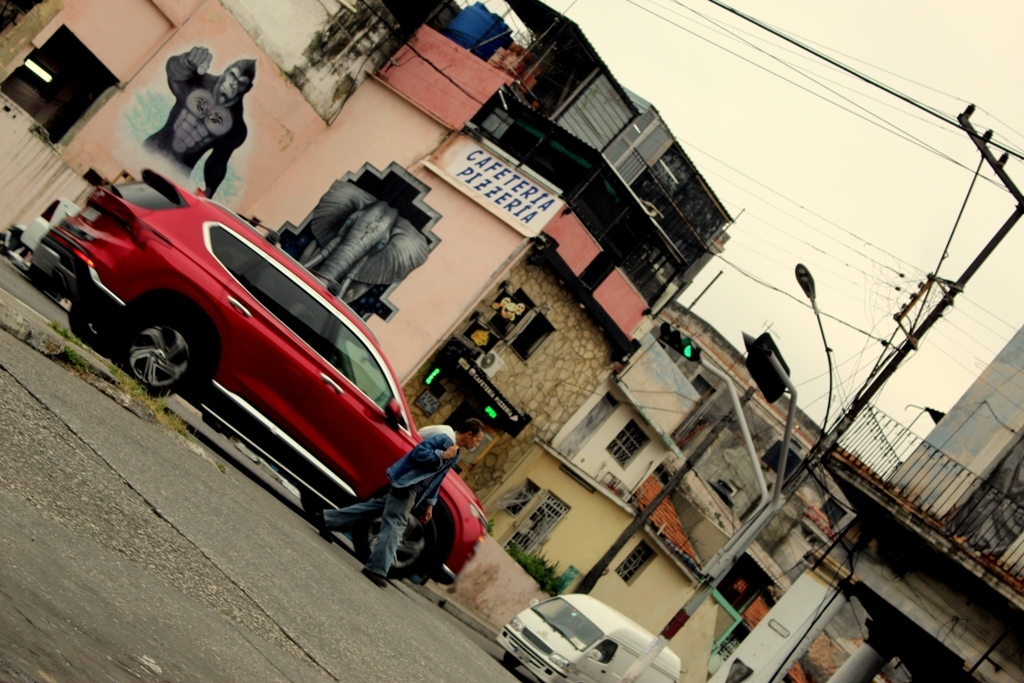
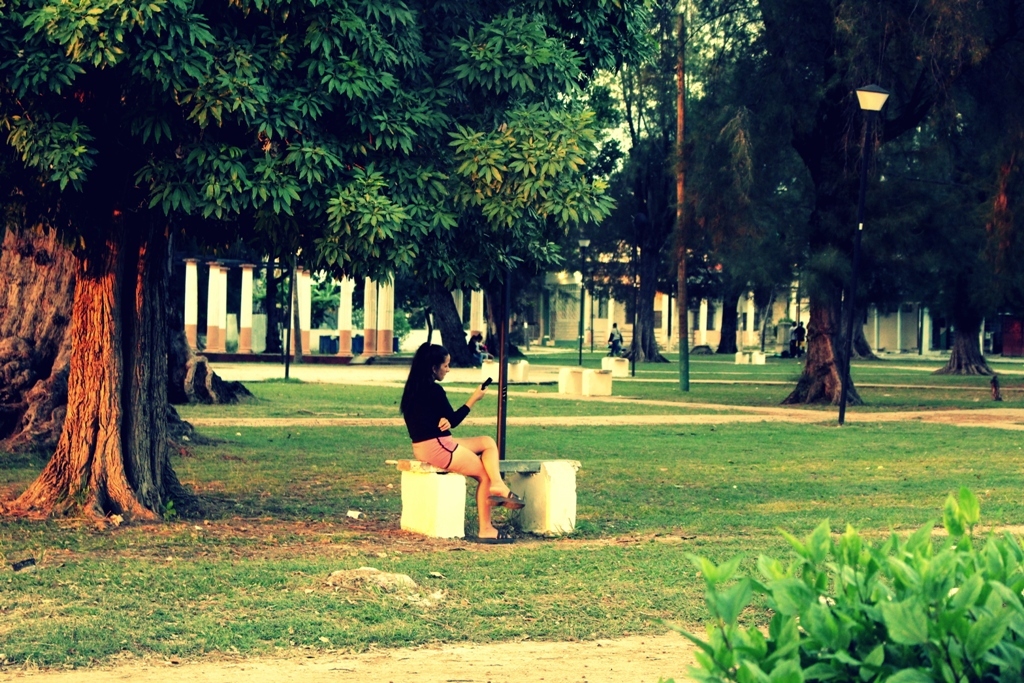
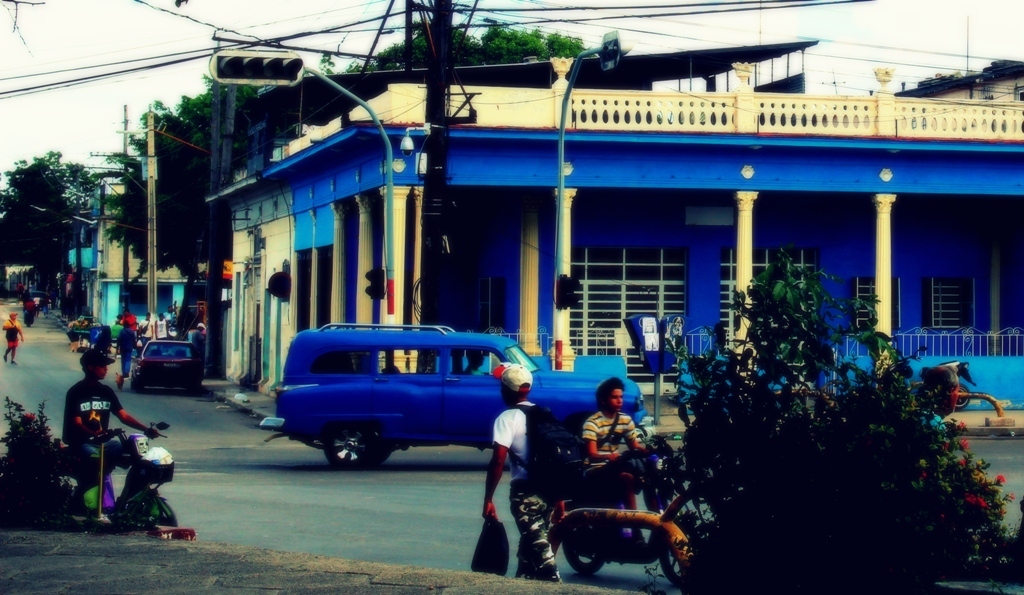
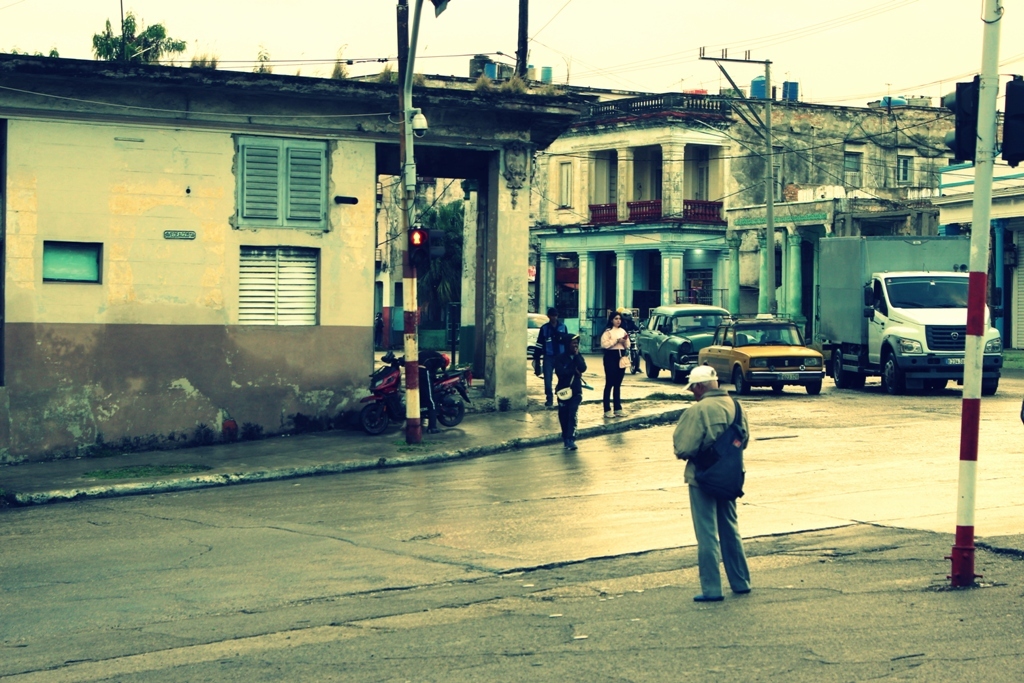
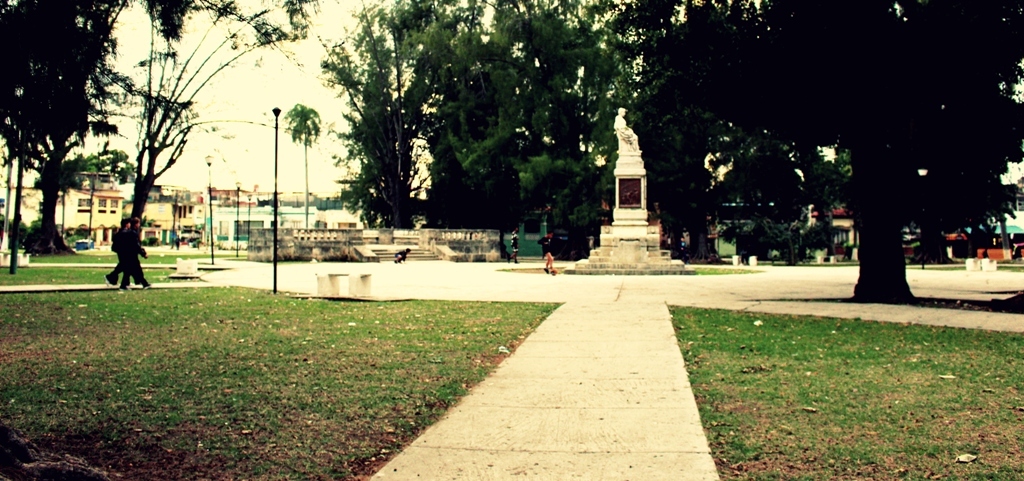
Impressionist Photography or Pictorialism in Cuba
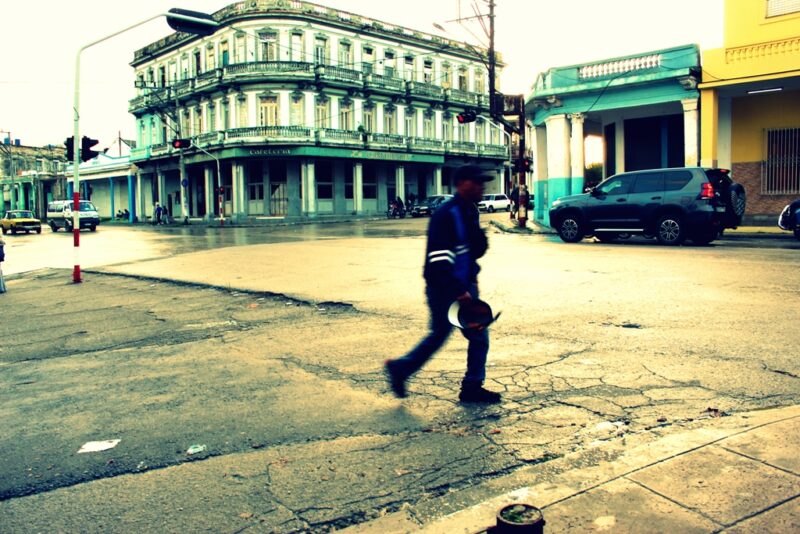
Photo Feature by Ernesto Gonzalez Diaz
HAVANA TIMES — Impressionism is an artistic style or movement within the visual arts that emerged and reached its peak in France toward the end of the 19th century. The principal exponents of this movement were the painters Gustave Courbet, Édouard Manet, Claude Monet, Edgar Degas, Alfred Sisley, Paul Cezanne, Auguste Renoir, among others.
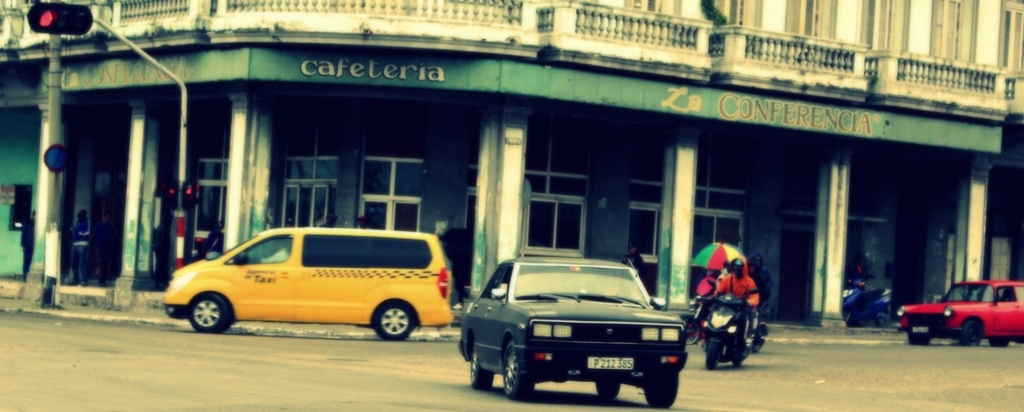
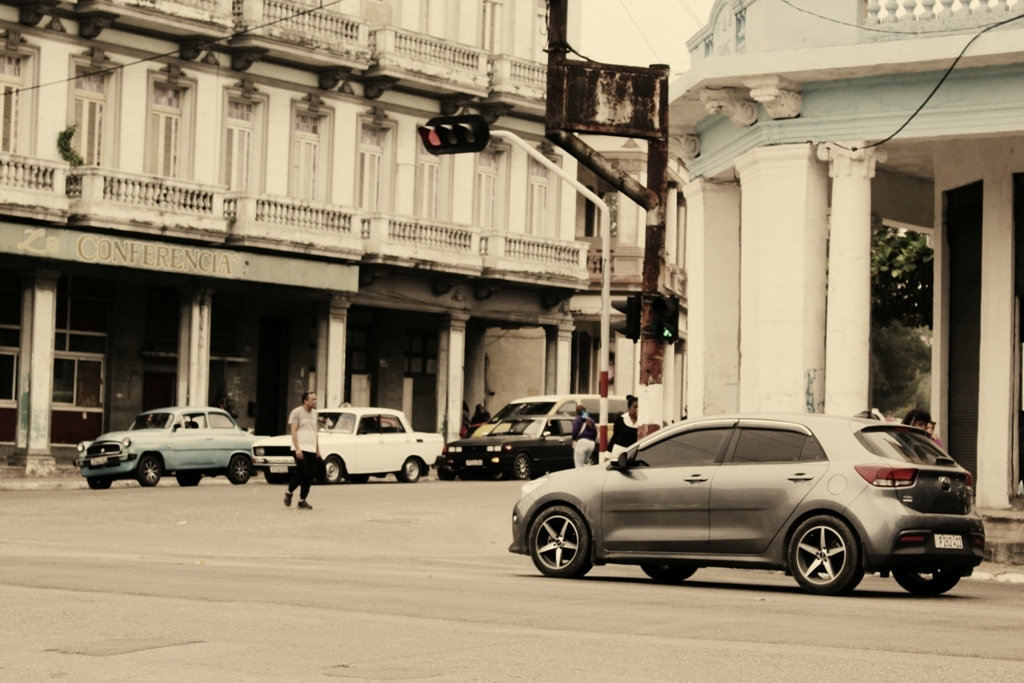
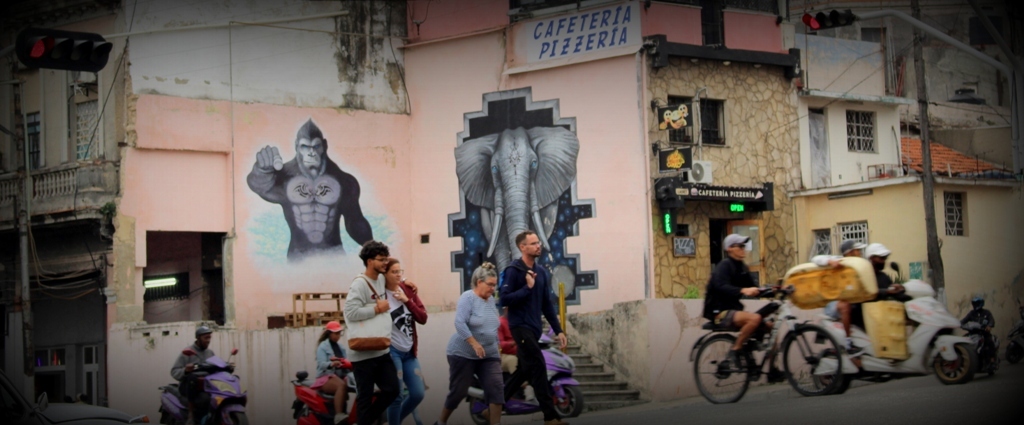
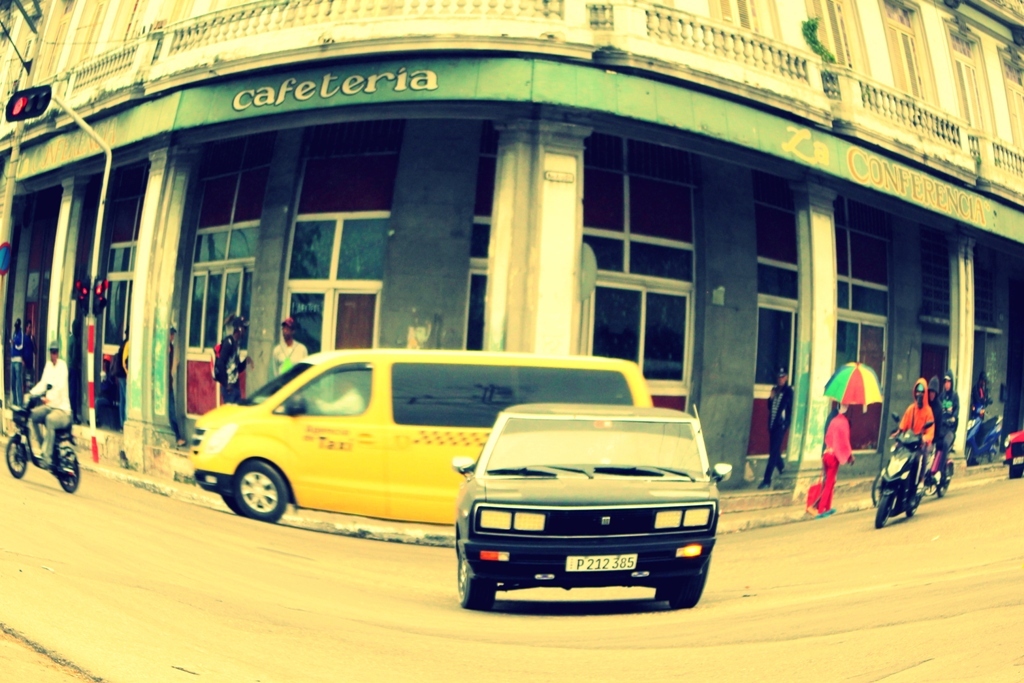
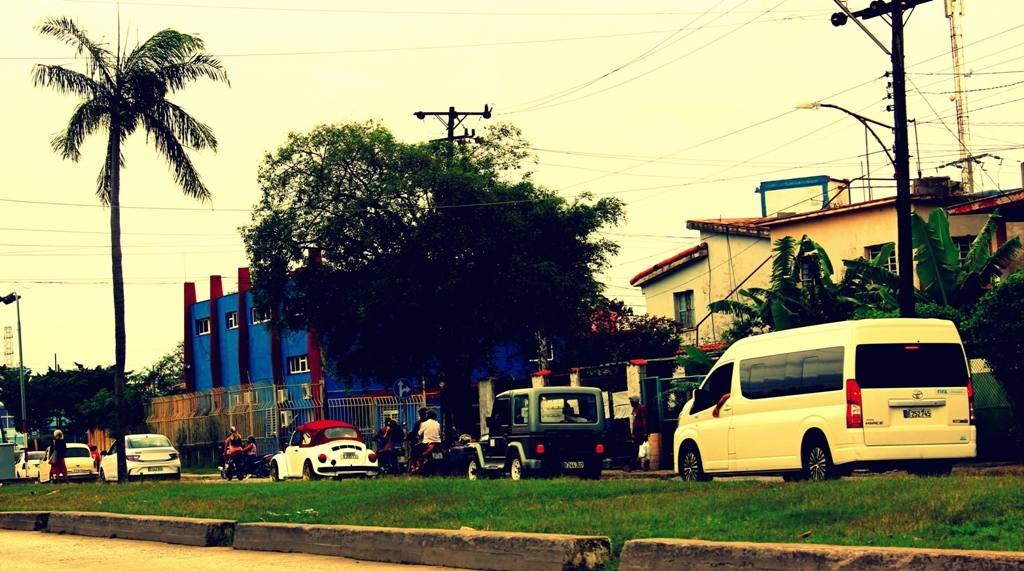
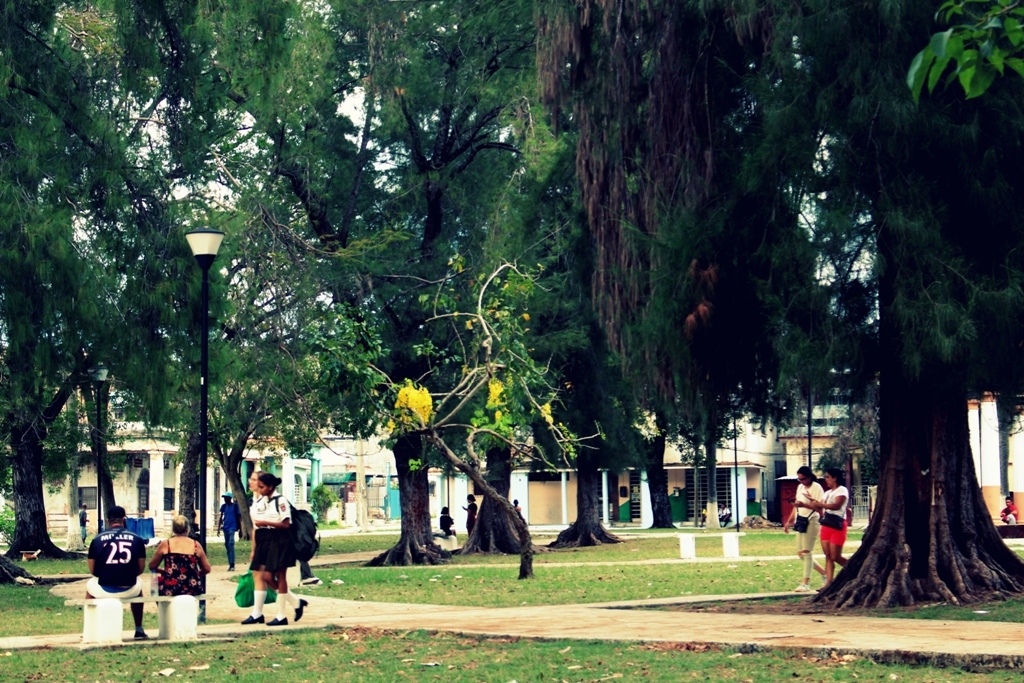
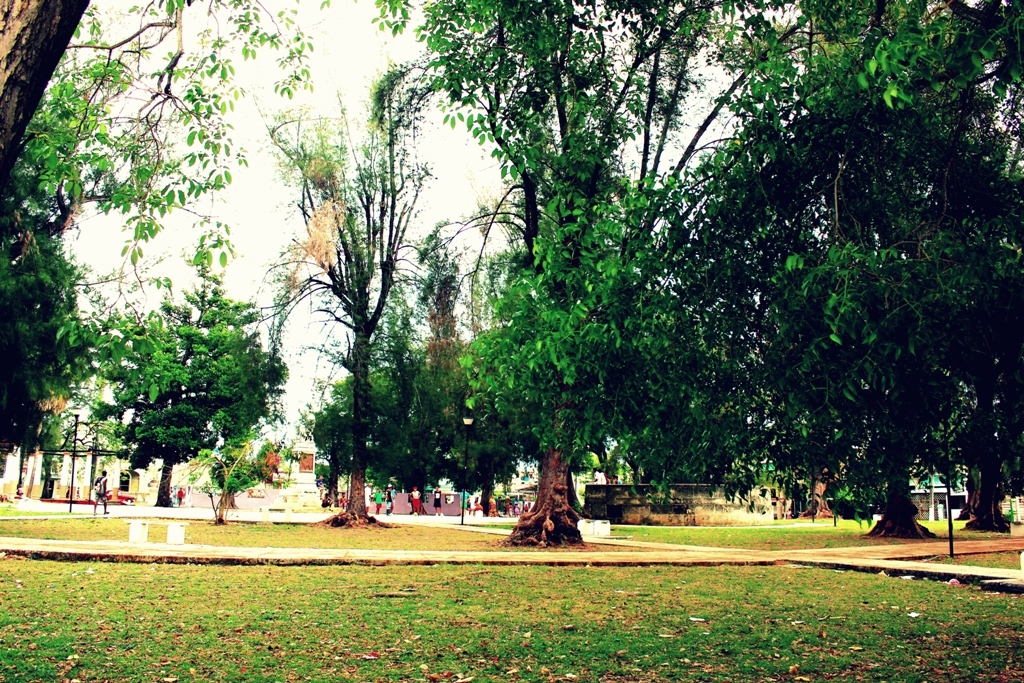
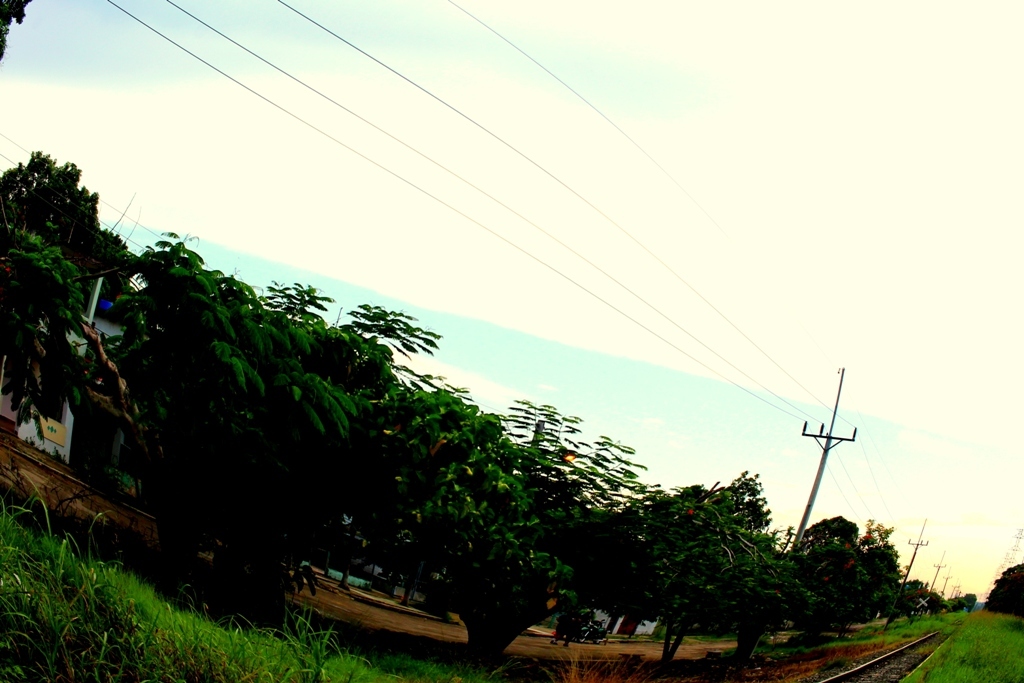
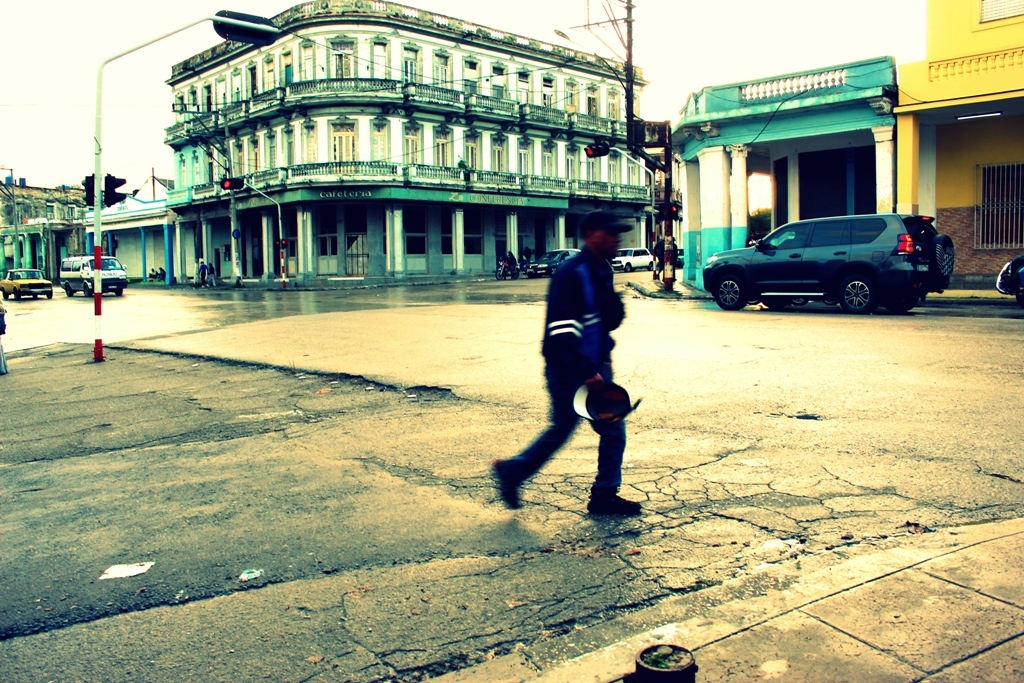
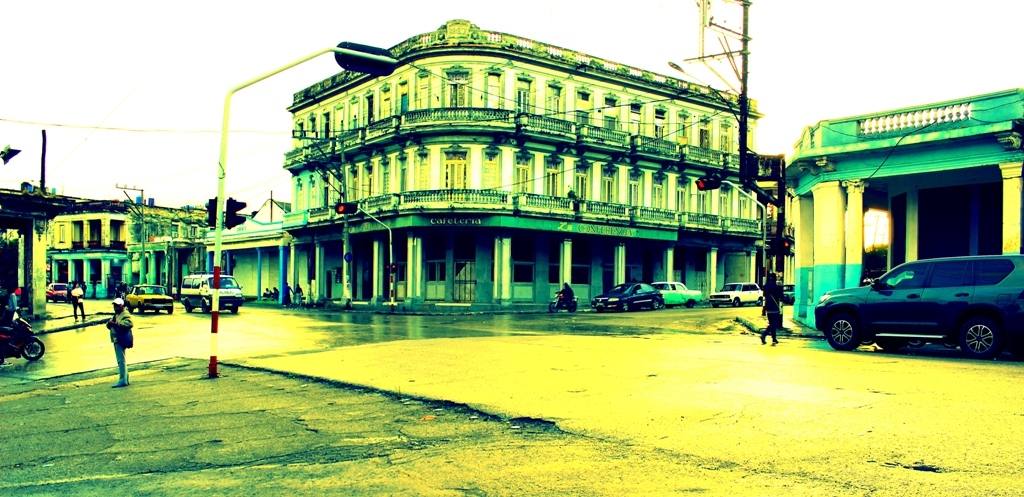
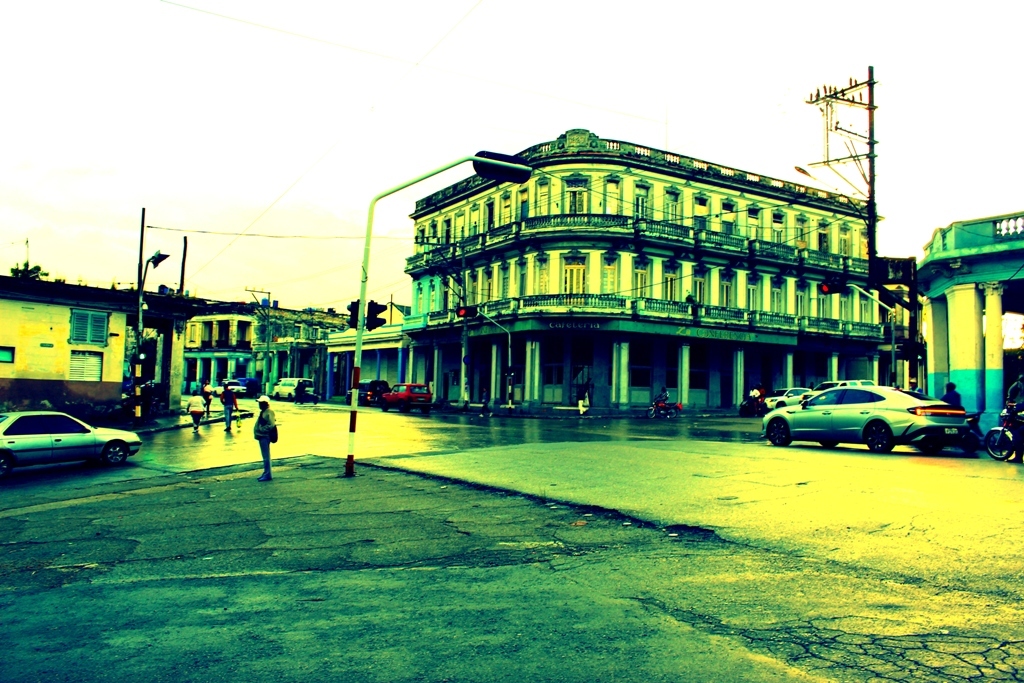
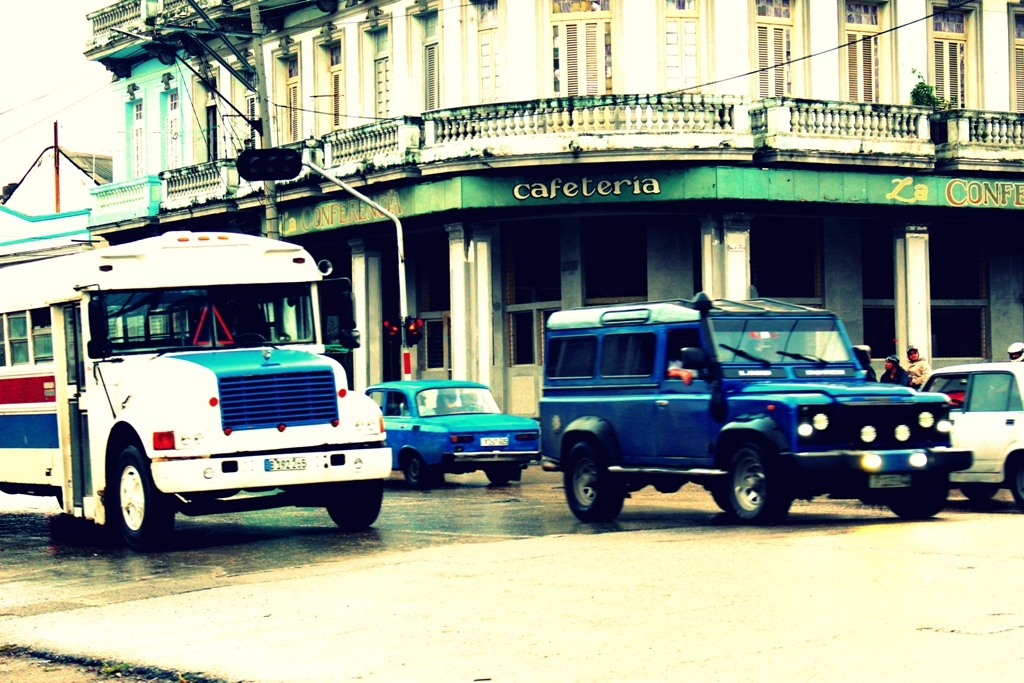
Although the Impressionist label has been applied to works in other arts such as music and literature, its most distinctive features (light, color, brushstrokes, plein air painting — referring to painting or photography done outdoors) make it a style that is very difficult to extend to other manifestations such as architecture or sculpture. In the case of photography, when it follows Impressionist patterns, it is also known as pictorialism photography.
Broadly speaking, it is characterized by the attempt to capture light without focusing so much on the identity of what projects it; hence elements often appear blurred or out of focus. Another important aspect is the use of warm colors such as yellow and red, logically due to the emphasis placed on illumination. It is also characterized by the pursuit of visual emotion rather than narration. The idea of the impermanence of the instant within the landscape is another distinctive feature of this movement.
Recently, several photographic exhibitions have been held that seek to promote this pictorial movement. Among the most notable is the one held in 2025 at the Musée de l’Orangerie in Paris, titled “Blur: Another Vision of Art from 1945 to the Present.”